The New Role of Food in Leisure Venues
Over the past couple of years, we have had the opportunity to work on some brilliant leisure venues, from World Heritage sites to brand new outdoor activity destinations.
We are also seeing more projects where leisure, food and experience are being brought much closer together, particularly through urban leisure and competitive socialising concepts aimed at a more grown-up market. That is why we have added a bonus leisure section to our 2024 Foodservice Trends Book.
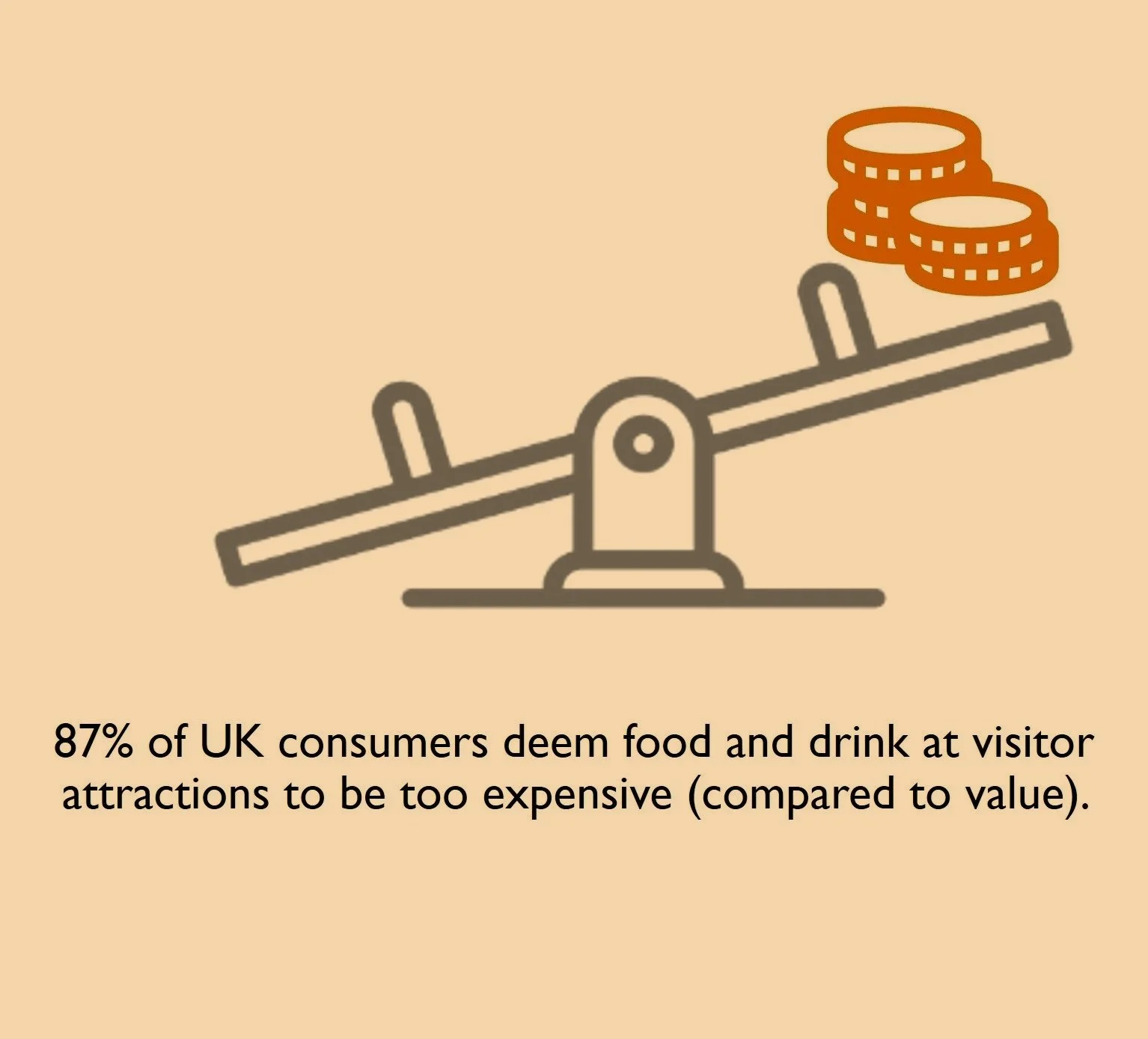
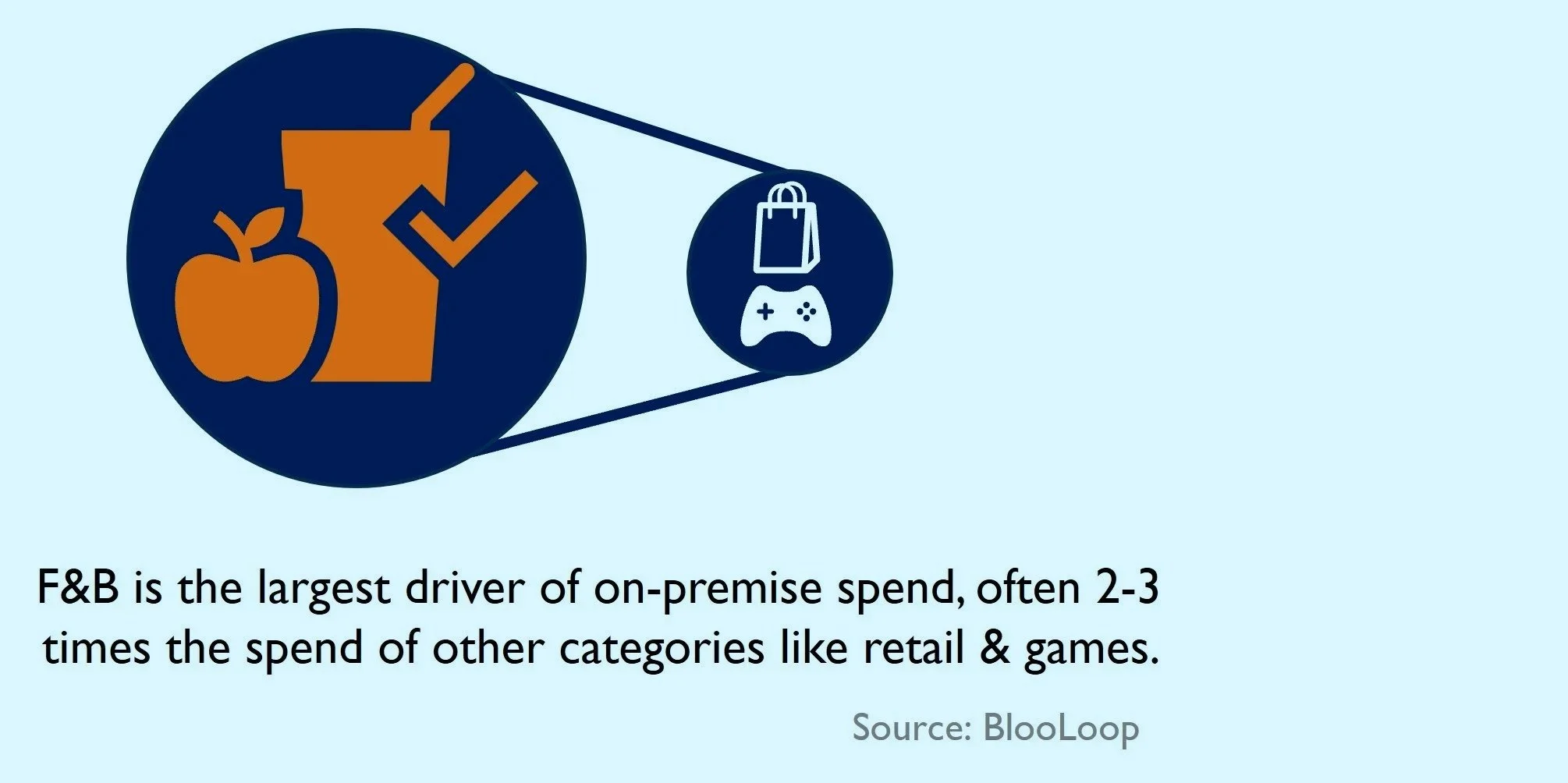
Food has always mattered in leisure venues, but expectations have changed. Guests still need speed, convenience and value, but they also expect better quality, healthier choices, vegetarian and vegan options, stronger service and food that feels appropriate to the venue they have paid to visit. That last point is particularly important; Food is not a side issue. It affects the whole day out. The research in the section shows that 4 in 10 guests believe dining areas can make or break a visitor attraction, while F&B is often the largest driver of on-premise spend, typically 2 to 3 times higher than categories such as retail and games. At the same time, 87% of UK consumers deem food and drink at visitor attractions to be too expensive compared with value.
The opportunity is clear, but so is the challenge; Guests are willing to pay for something memorable, with 75% of diners saying it is worth paying more for a one-of-a-kind experience. However, if the offer feels low quality, overpriced or disconnected from the venue, it can damage the visit rather than support it. Leisure operators are approaching F&B from every angle, from immersive dining and frictionless service to accessibility, sustainability and stronger everyday favourites.
Eatrenalin at Europa-Park in Germany is one of the more dramatic examples. It combines a 10-course fine dining experience with a dark ride vehicle, taking diners through different rooms using scent, taste, visuals, sound and touch. It won a Best New Attraction Award in 2024 and an Innovation Award in 2023.
At the other end of the spectrum, Levy UK + Ireland’s Tap + Go self-serve markets at Leicester City’s King Power Stadium show how technology can improve speed and convenience in high-volume leisure environments. Built with autonomous retail experts AiFi, the system removes the need to pay at a till and helps match the pace of a matchday crowd.
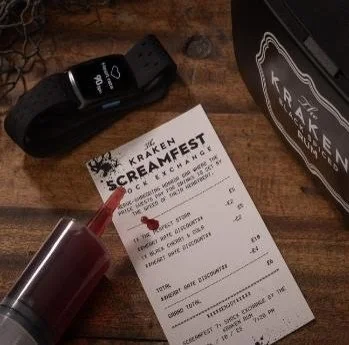
There are also examples of F&B becoming more immersive, playful and theatrical. Kraken Rum’s Halloween 2023 horror bar in London linked drink prices to visitors’ heart rates. The faster the heartbeat, the higher the tab. At Area15 in Las Vegas, Kaia Handroll uses AI-generated artwork and augmented reality menus to bring sea creatures and digital characters to life.
Some venues are using food to strengthen the story of the place itself. SALT’s residency at The Museum of the Future in Dubai brings quarterly chef collaborations into a setting already built around innovation. In London, theatres are improving their food offer with Forza Wine at the National Theatre, afternoon tea by Lily Vanilli at the Grand Saloon, and Café Kitty at Underbelly Boulevard.
Sustainability and accessibility are also moving quickly; Disneyland Paris is using anaerobic digestion to convert food waste into water for plants, switching to reusable dishware, replacing single-use plastic cutlery with FSC-certified wood-based cutlery, and pushing plant-based and healthier children’s options. Merlin Entertainments is introducing edible straws made from natural sugars, while SSA Group is launching compostable candy packaging at three partner zoos.
LEGOLAND Windsor Resort’s Total Sensory Spaces are not F&B-led, but they are a useful sign of where leisure venues are heading. The first dedicated sensory facilities in a theme park, they provide a calm environment for guests with additional needs. The same “for all, not just most” thinking is increasingly relevant to foodservice.
One of the strongest business examples comes from US themed entertainment group FUN, which invested more than $160 million over the past decade to expand F&B facilities, improve front-of-house operations and modernise back-of-house capabilities. The group also brought in dedicated F&B specialists and executive chefs across its parks. The result was more than $200 million in additional F&B revenue, with F&B growing at a 7% CAGR, compared with overall per capita growth of 3.5% CAGR.
Better foodservice in leisure venues is not just about nicer menus. It is about guest satisfaction, return visits, spend, operational efficiency, accessibility, storytelling and value. When it is done well, food can become part of the attraction, not just something guests have to fit in around it.