Costa Rica: Sustainability & Food
After a recent trip to Costa Rica with my better half, I wanted to share some reflections and Friday seems the right day for a holiday post. 😊
Despite covering just 0.03% of the world’s landmass, it holds a staggering 5% of the planet’s biodiversity which is amazing to explore and shows up in more than just the forests and wildlife; it’s mirrored in the country’s food culture, its approach to tourism, and its everyday commitment to sustainability.
No wonder therefore that Costa Rica is so protective of its environment and has earned a strong global reputation for sustainability: the country has long generated over 95% of its electricity from renewable sources, deforestation is banned, wildlife is fiercely protected and single-use plastics are largely banned. These aren’t just PR soundbites but actions visible in everyday life.
On the ground, you notice smaller details:
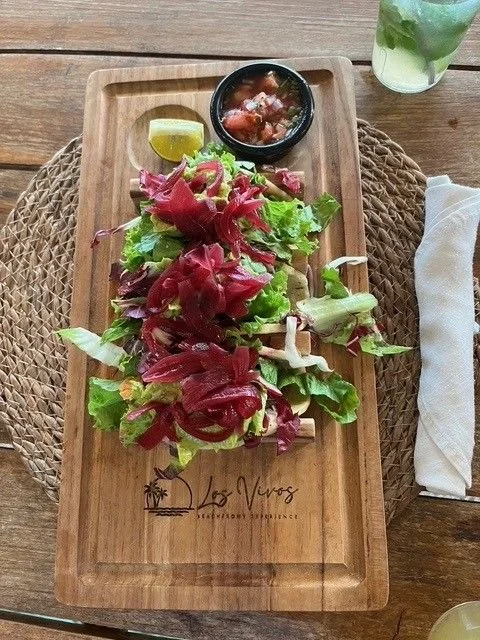
Most produce is grown locally and often organically, which also means menus can change daily depending on what’s actually available.
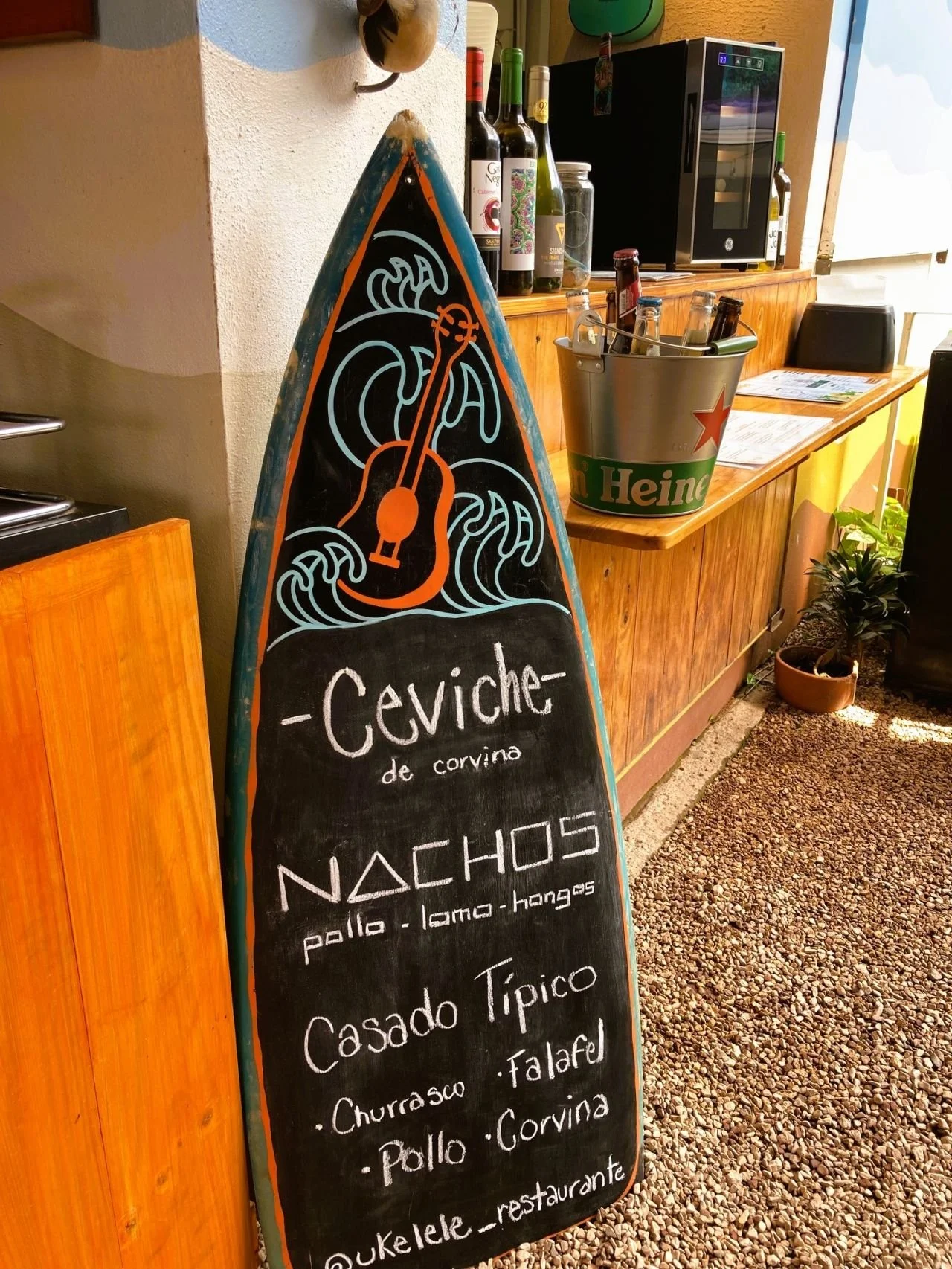
Local fish is prioritised over imported species, even if it limits choice.
Travellers quickly learn to carry refillable water bottles as you cannot access major parks carrying single-use drinks containers.
Across restaurants and hotels, there’s a clear effort to reduce waste, source on site (!) and embrace natural rhythms, even if that requires daily adaptations.
Even on holiday, we never really stop exploring, and our first stop in San José was Barrio Escalante. The compact but lively neighbourhood has become a real hub for F&B, with cafés, bars and independent kitchens tucked between trees, local shops and galleries.
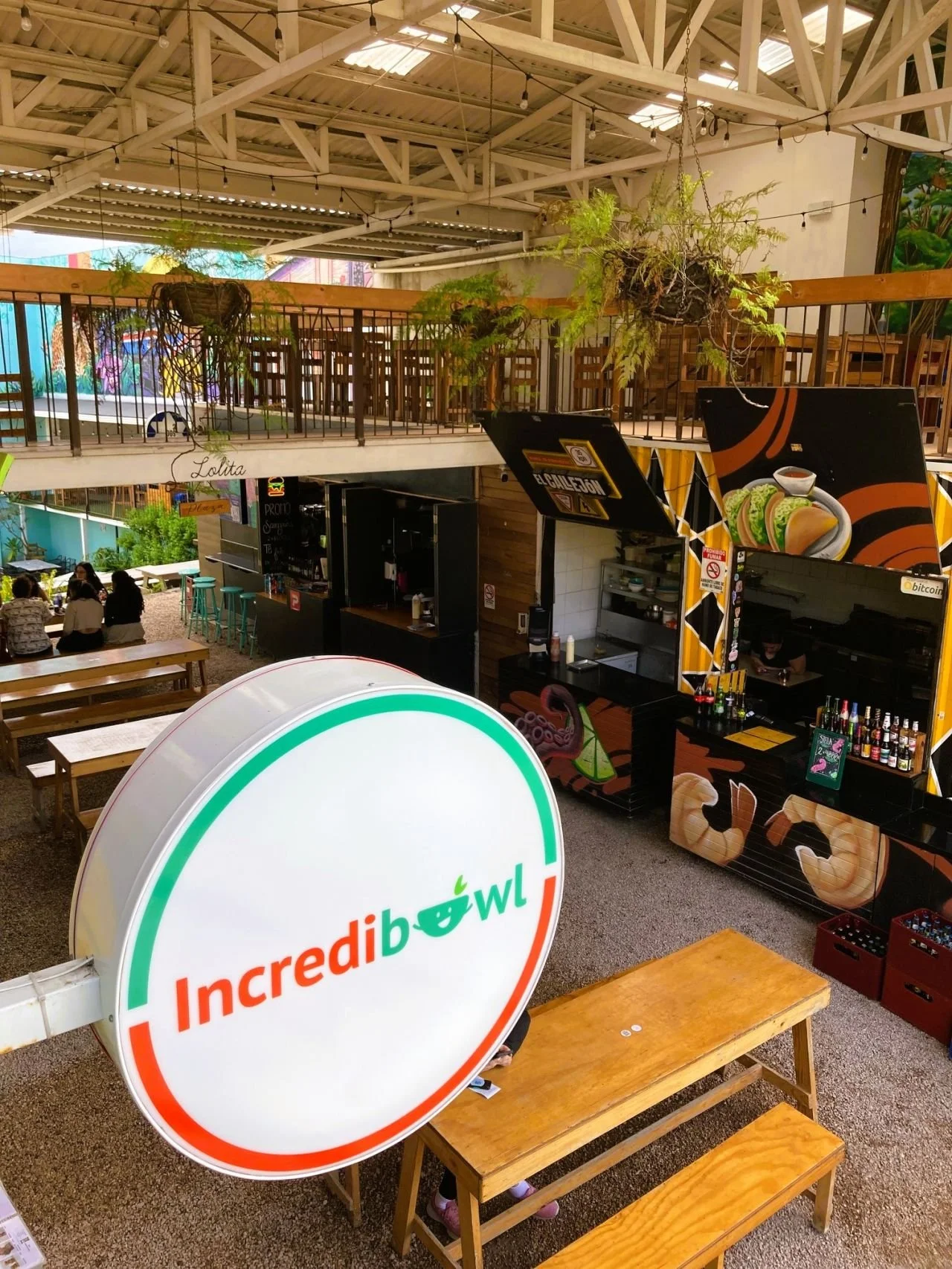
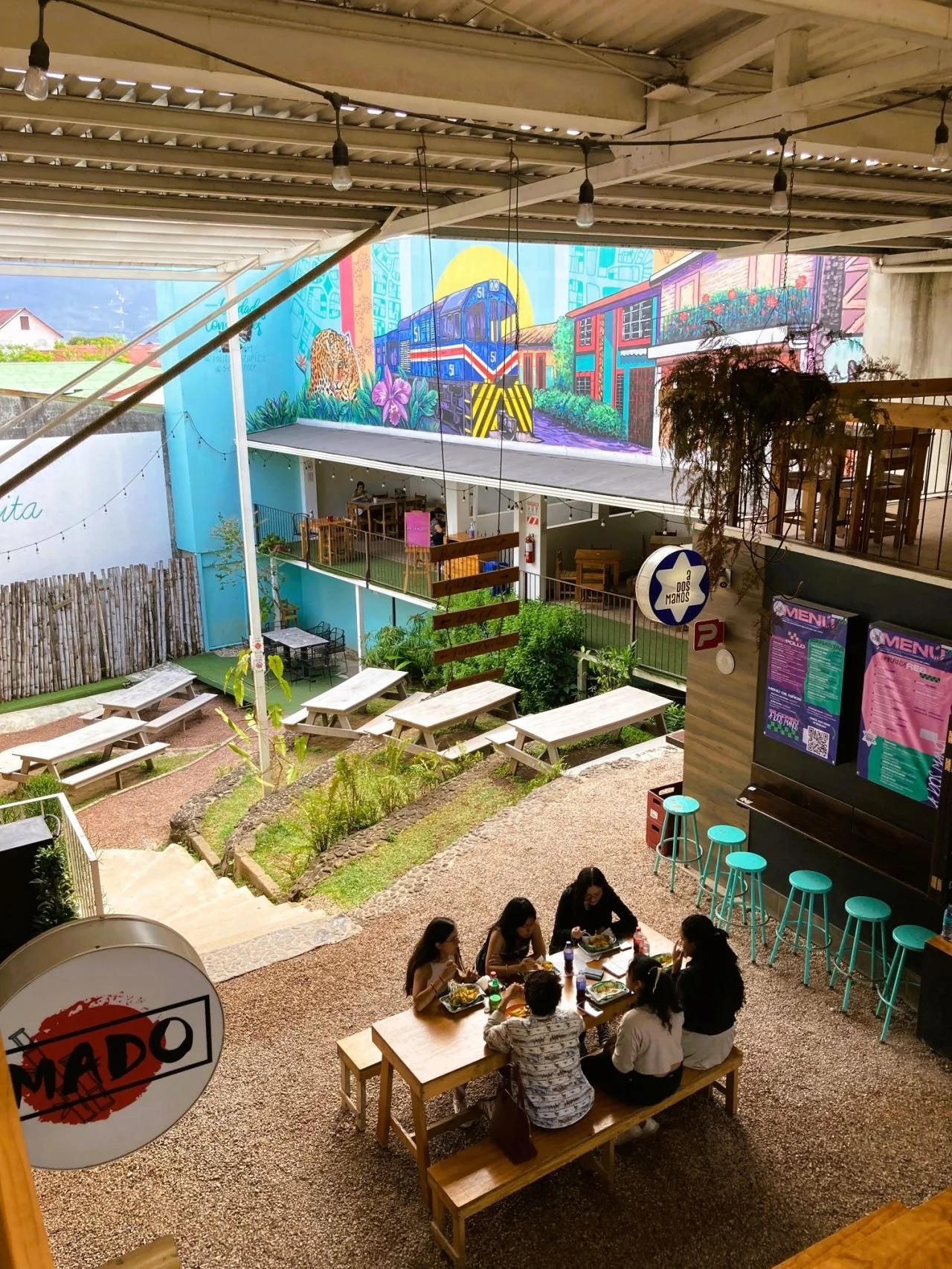
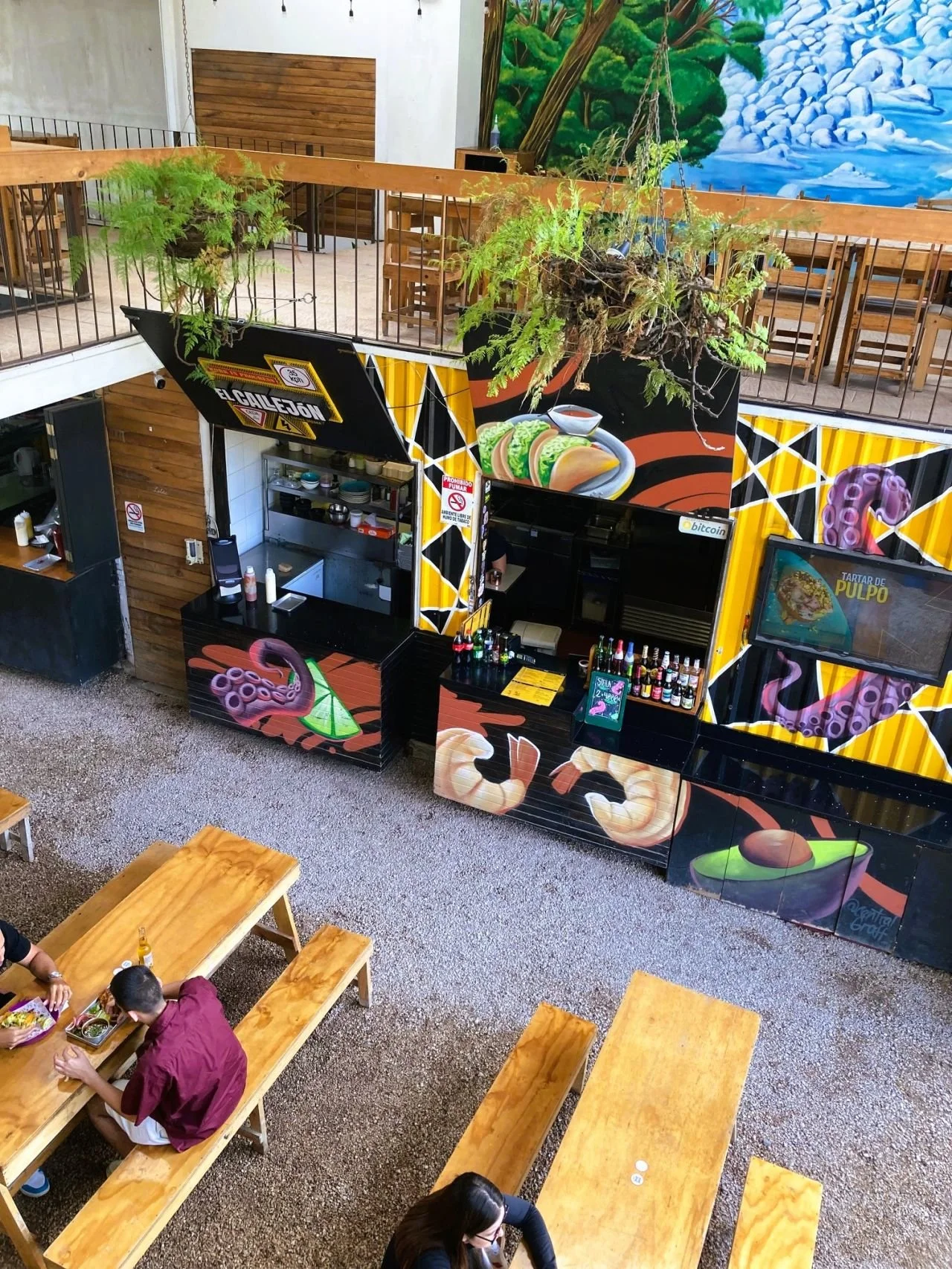
One place that really stood out was Jardín de Lolita, a relaxed, partially open-air centro gastronómico that’s been part of the Barrio Escalante scene since 2016. Hidden behind a simple entrance and built into and around a series of townhouses, it brings together independent stalls serving everything from fresh seafood to gourmet burgers, all under tropical greenery and lights. It felt genuinely grown out of the local community: informal, a bit rough around the edges in the best way, and full of energy. And OMG, the amazing smell…!!!
As we often see in other cities too, newer venues like Calle 33 Mercadito have popped up close by, borrowing the same formula. Both are good, but Jardín de Lolita still has a certain organic charm that is hard to replicate, and it was a great reminder that the best spaces often evolve naturally rather than being too carefully curated. Sterility in design for the sake of maximum efficiency can be an ambience killer. It’s all about balance, so pepper in a bit of crazy.
We also learned about some brilliant initiatives like the Buena Vista del Rincón Eco Adventure Park, operating a true zero food waste programme, or The Four Seasons Resort Costa Rica, using AI to cut food waste by over 50%, a model we’re now seeing replicated worldwide.
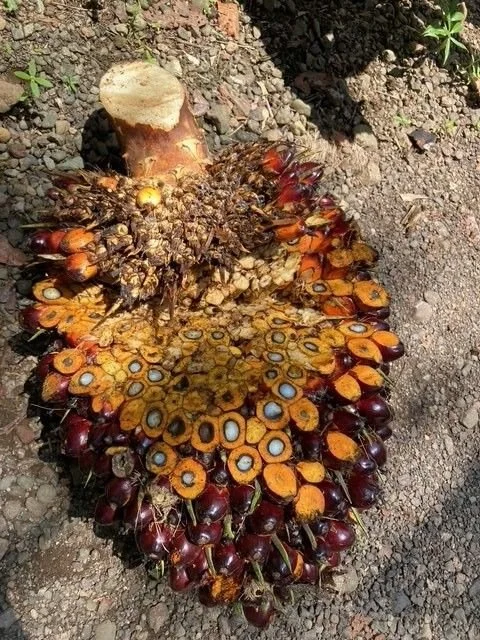
That said, it’s not perfect and to Costa Rica’s credit, the people we met were open about the challenges. For example, we visited a palm oil farm that had caught our attention for its eco credentials, surprising, given the industry’s reputation...! A few questions in, it became clear that they, too, walk a fine line. A reminder that sustainability very much lives on a spectrum and demands constant vigilance.
PS: Travelling across the world for a holiday does come with a huge environmental cost, and it’s something I’m conscious of and won’t pretend otherwise. While we were there, we paid close attention to how sustainability is lived day-to-day and what lessons we might bring back with us, and while that doesn’t excuse the footprint of getting there, I hope the reflections are valuable in one form or another, even if just as food for thought.