Berlin: The Price of Authenticity
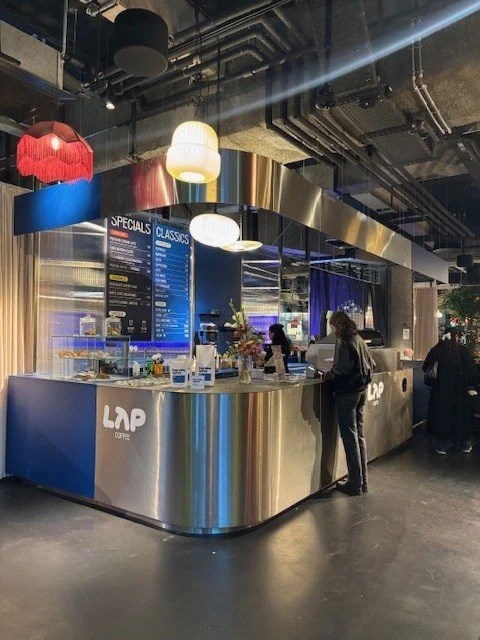
Our resident part-time Berliner Paulina Herrmann has been following the debate around LAP Coffee, the Berlin-born coffee chain offering €2.50 cappuccinos from small-format, minimal, automation-led stores. The conversation has become a useful case study in affordability, authenticity and local fit. Berlin is not short of coffee, but it is a city with strong feelings about independence, gentrification and who gets to shape neighbourhood culture. A low-price model may answer a real customer need, but even a good commercial idea has to land in the right way.
Paulina’s piece below looks at what the LAP Coffee debate says about modern urban foodservice.
“Berlin is a city which likes to challenge how you think about space, identity, and fairness. And in some districts every corner café tells a story - not of coffee, but of values. That’s what makes the current debate around LAP Coffee so revealing.
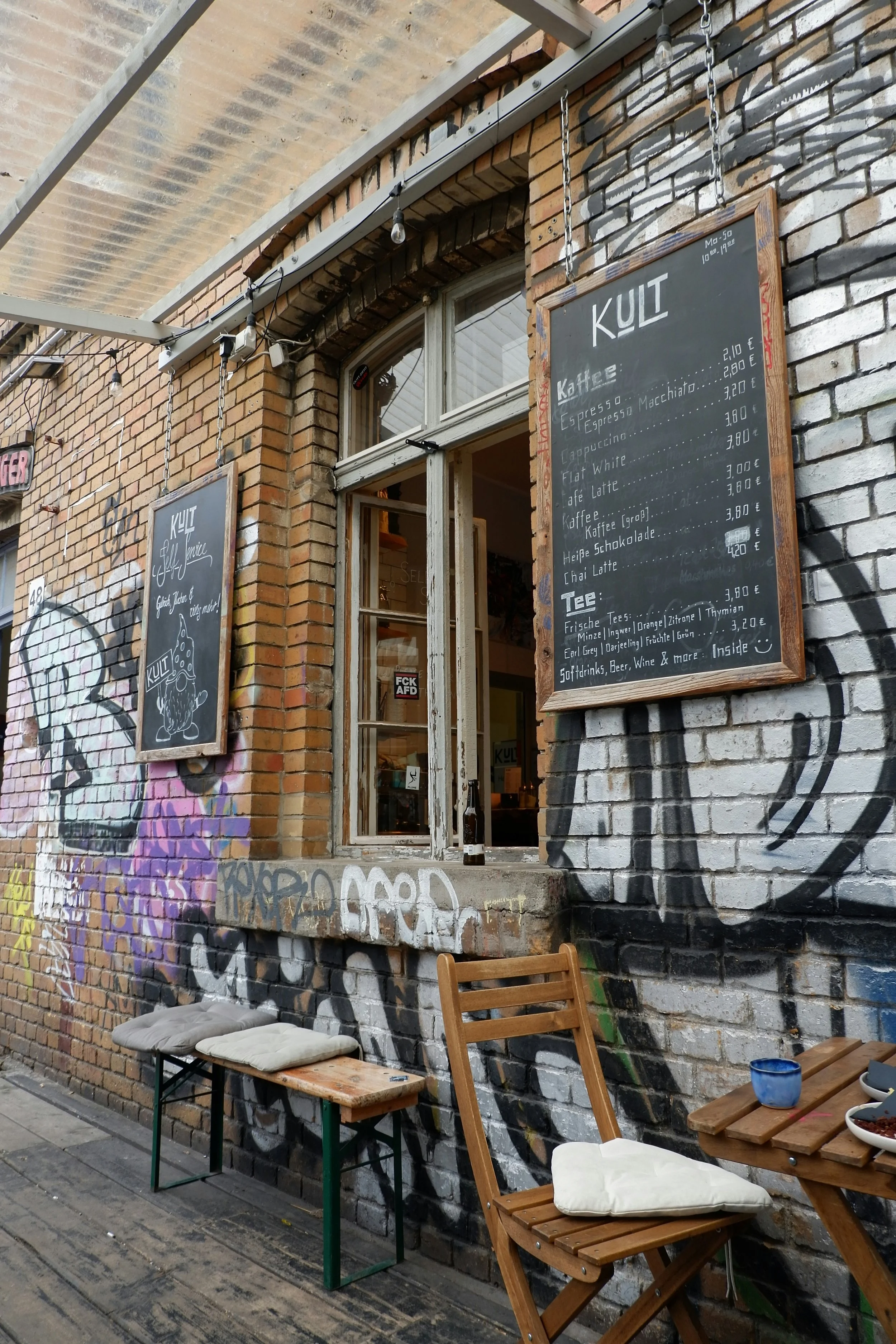
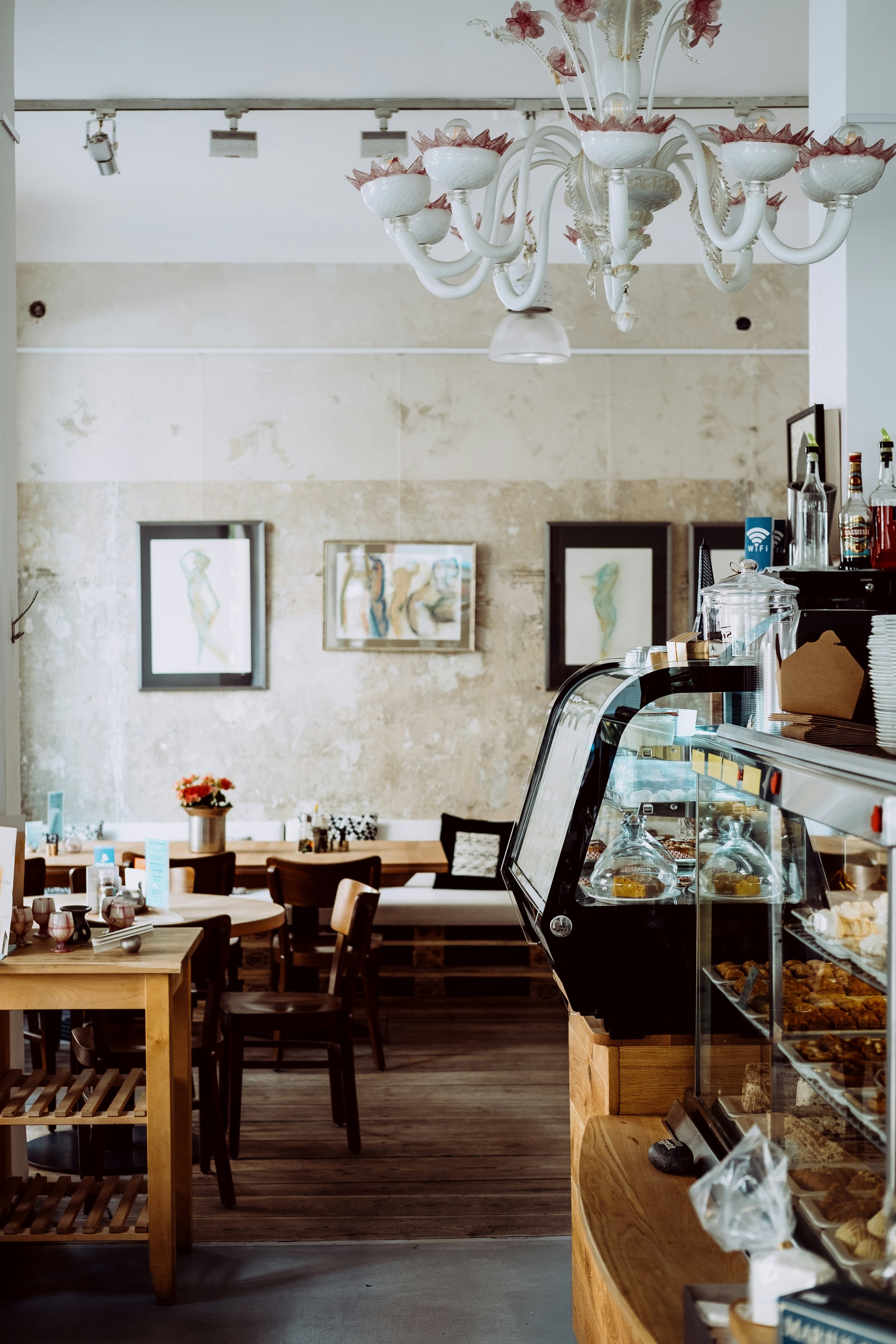
If you’ve missed it: LAP is a 2-years old Berlin-born coffee chain with 15 units, offering €2.50 local-roast cappuccino, on a small footprint, with minimal design, and automation. Affordable, convenient, efficient. In a city where good coffees can cost over €4.00, many welcome the addition to the market as a smart response to rising costs, simply offering accessible coffee.
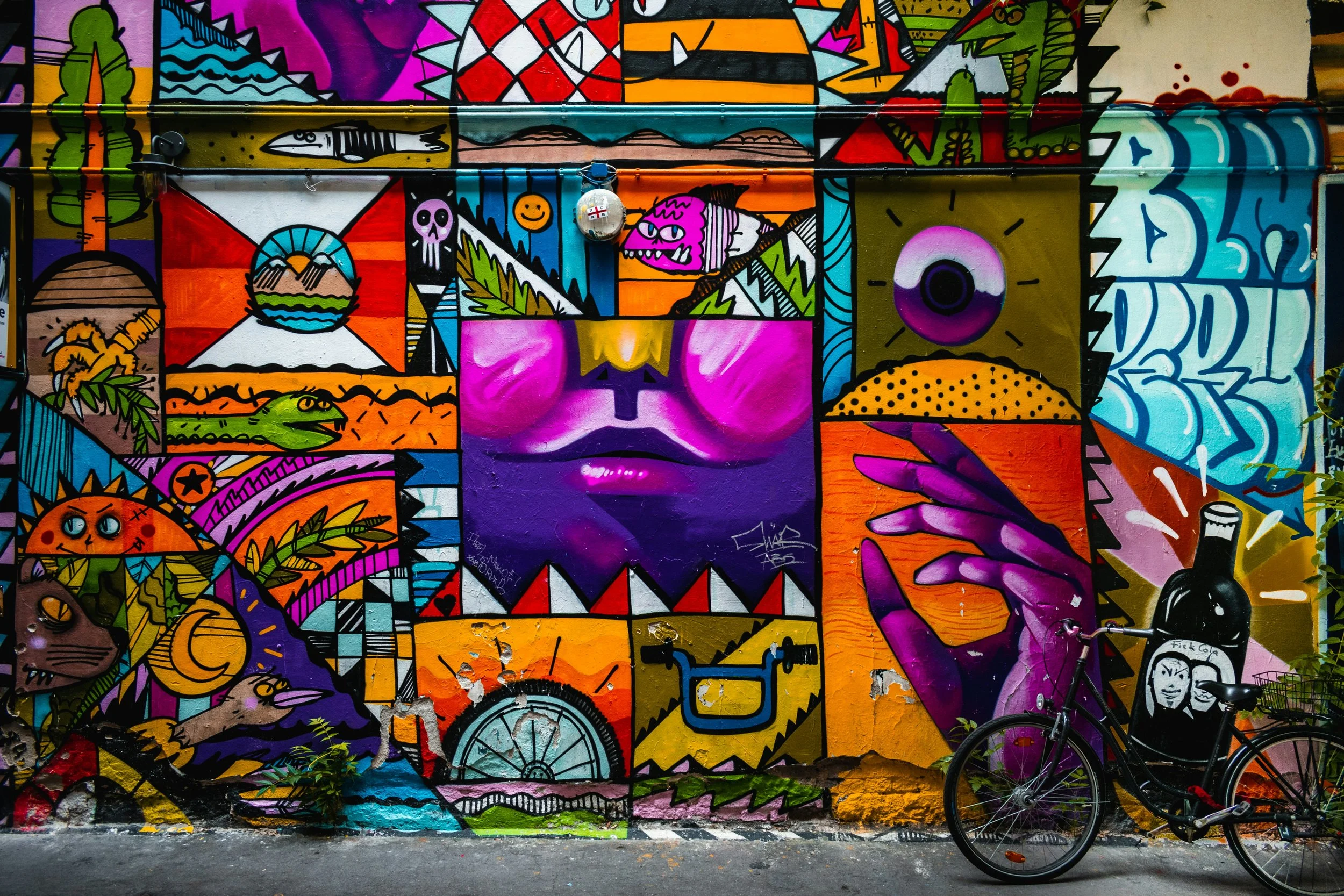
To others, LAP represents a creeping corporatisation of a scene that defines itself by independence and individuality. For them it’s more about how the low price is being achieved and the fact that the brand is venture-backed by HV Capital, FoodLabs, Roundtable Ventures, etc. This has ignited a backlash which culminated recently in vandalism, when stores were deliberately spray painted.
We can argue about venture-backed small brands and discuss if there is merit in the claim that this will lead to another Starbucks effect and kill the neighbourhood café, but, I think we can all agree that vandalism is never the right answer.
However, that’s not the point I’m here to make. To me, the incident, which continues to spark a very lively debate, captures something essential about Berlin’s spirit: its deep, emotional connection to authenticity. This city doesn’t just buy coffee; it buys into meaning - who made it, where, why and who do I support by supporting them. And yet, affordability is now one of the most powerful forces shaping urban life. That tension is at the heart of what makes Berlin’s food scene so fascinating, and so difficult for newcomers to navigate. It’s not that (parts of) Berlin resist development - They resist misalignment with its values, rejecting anything that feels insensitive or exploitative.
One thing is clear, Berlin has strong feelings and it is vital that entrepreneurs understand this. We carried out a market assessment for a Food Hall operator looking to enter the market and specifically warned them about this very sentiment.
Some may be inclined to brush this off, but underestimate this at your peril! Well beyond coffee, when a neighbourhood managed to stop the development of a Google campus because of perceived gentrification then you better acknowledge the power of the people. Local nuance matters here and even a brilliant commercial model will struggle if it feels disconnected from the local community. And that’s where I think the LAP debate is most instructive, not as a battle between right and wrong, but as a live case study in modern urban foodservice.
Maybe the lesson isn’t about whether Berlin should change, but how we listen before we build.”