

Annual Foodservice Trends 2024
Foodservice moves fast. Very fast.
Yesterday’s brave new idea quickly becomes today’s standard expectation, and before long, the next thing is already arriving at the table. Whether you call it foodservice, F&B, gastronomie, horeca or hospitality, the pace of change is one of the things that makes this industry so exciting. It is also what makes it so useful to look across sectors, rather than only within them.
At Coverpoint, we are lucky enough to work in a wide variety of foodservice locations, from shopping centres and blue chip offices to food halls, hotels, travel hubs and major leisure destinations. That cross-sector view means we often see an idea gaining traction in one part of the market before it appears in another. A hotel lobby can teach something to an airport. A food hall can teach something to an office. A shopping mall can learn from a competitive socialising venue. A workplace caterer can take inspiration from a community food project. That is the starting point for our 2024 Trends Book.
This year we wanted to focus less on looking back and more on what is next. The past few years have been difficult enough for the industry, and the challenges have certainly not disappeared. Food costs, energy costs, labour costs, hybrid working, changing consumer habits and pressure on independent restaurants are still very real. However, there is now a sense that the market is beginning to move again.
The general outlook is challenging but positive. Various sources and reports cited in the book forecast overall foodservice market growth of around 5% to 18% CAGR over the next five years. That sounds encouraging, but the detail matters. Revenue growth does not automatically mean more people are eating out more often. In many places, people are spending more when they do go out, often because prices have increased, while full-service restaurant frequency remains under pressure. QSR, coffee and snacking are performing more strongly, with some organic growth alongside the impact of price increases.
Profitability remains one of the biggest concerns. Larger restaurant groups have often been better placed to renegotiate energy contracts, leases and underperforming sites. Independent restaurants rarely have that luxury. Yet these are often the operators that give places their character, support communities, push creativity and stop our towns, cities and schemes from becoming identical.
So, if there is one wish for the property industry in 2024, it is this: use the growing optimism to support smaller, local operators and artisan producers with more flexible spaces. They are not just tenants. They are the difference between somewhere people pass through and somewhere they actively choose to spend time. One reason this matters is Gen Z.
Gen Z is now close to 30% of the global population, and foodservice is one of their most accessible routes into real-world experiences. They may not always be able to afford luxury retail or high-end travel, but they can buy into an exciting F&B experience, a local hero brand, a new flavour, a social moment or a place worth sharing. Their appetite for authenticity, cultural diversity and social media-friendly experiences continues to shape demand across the market. Against that backdrop, pressure is producing some very interesting diamonds.
For several years, much of the innovation in foodservice focused on removing friction from the service or purchase process. Mobile ordering, digital menus, kiosk ordering, delivery integrations, queue management and frictionless payment all became familiar. Those things still matter, but the focus is shifting. Operators are now looking at how to remove friction before the experience begins, and how to continue the relationship after the purchase has been made.
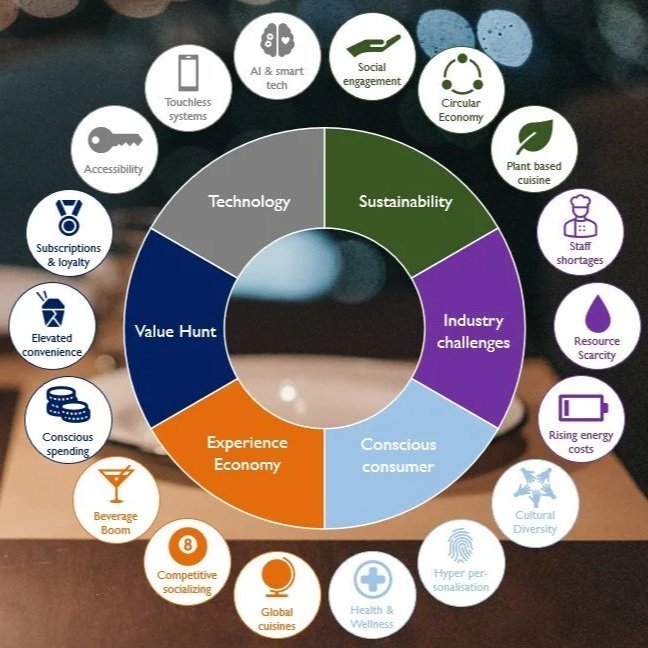
That subtle shift is important. The transaction is no longer the whole story. Guests are looking for shared values, convenience, personalisation, quality, community, entertainment, health, sustainability and value. Not always all at once, and not always in the same order, but increasingly as part of the same decision. In hotels, that creates a fork in the road.
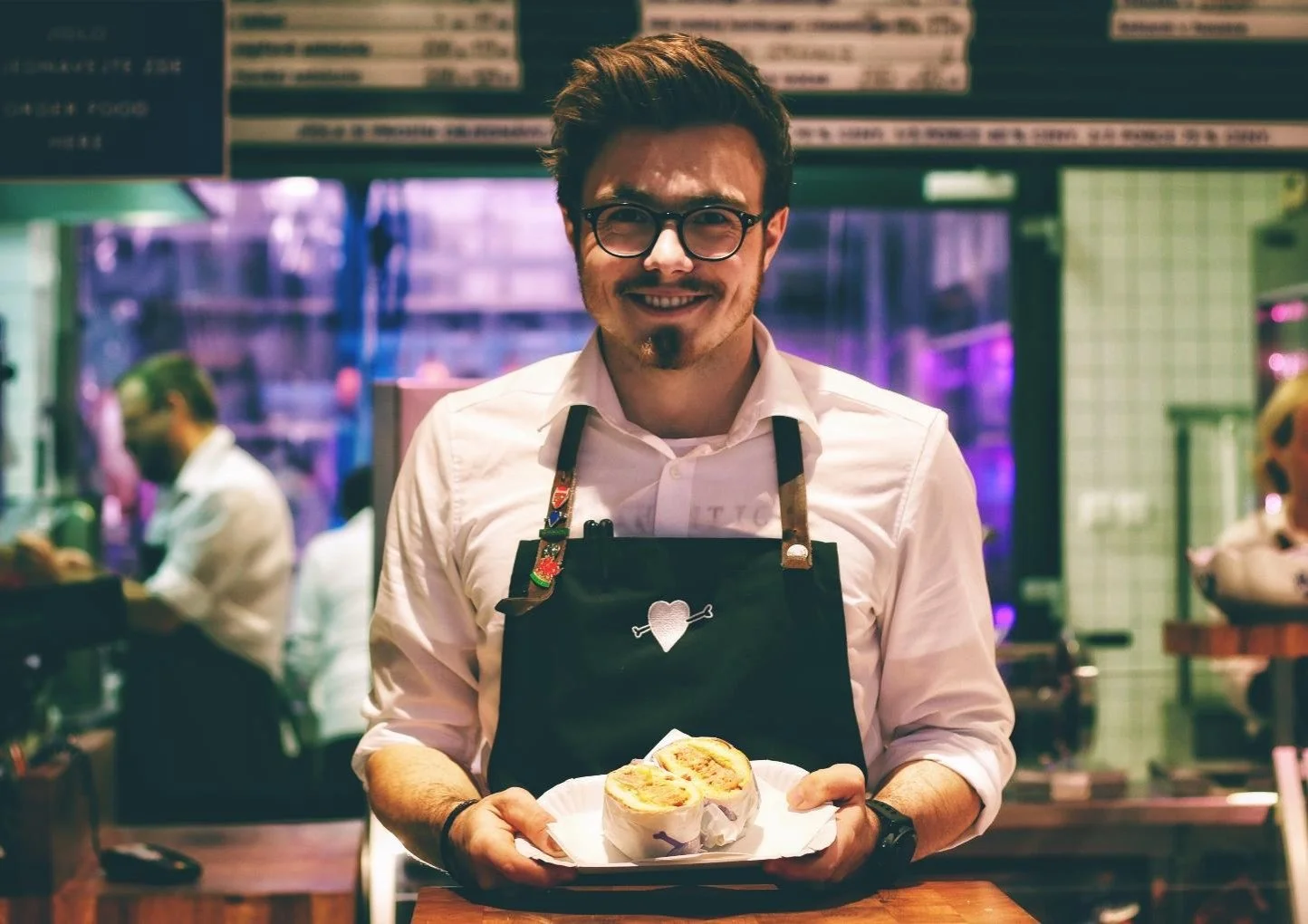
At the experience-led end of the market, F&B is becoming a destination in its own right. Dining is no longer just an amenity for overnight guests. It can be a revenue driver, a differentiator and a reason to visit. Resorts, tourist hotels and high-end locations are using restaurants, bars, classes, chef interaction, flexible dining and surprise moments to make F&B part of the stay itself.
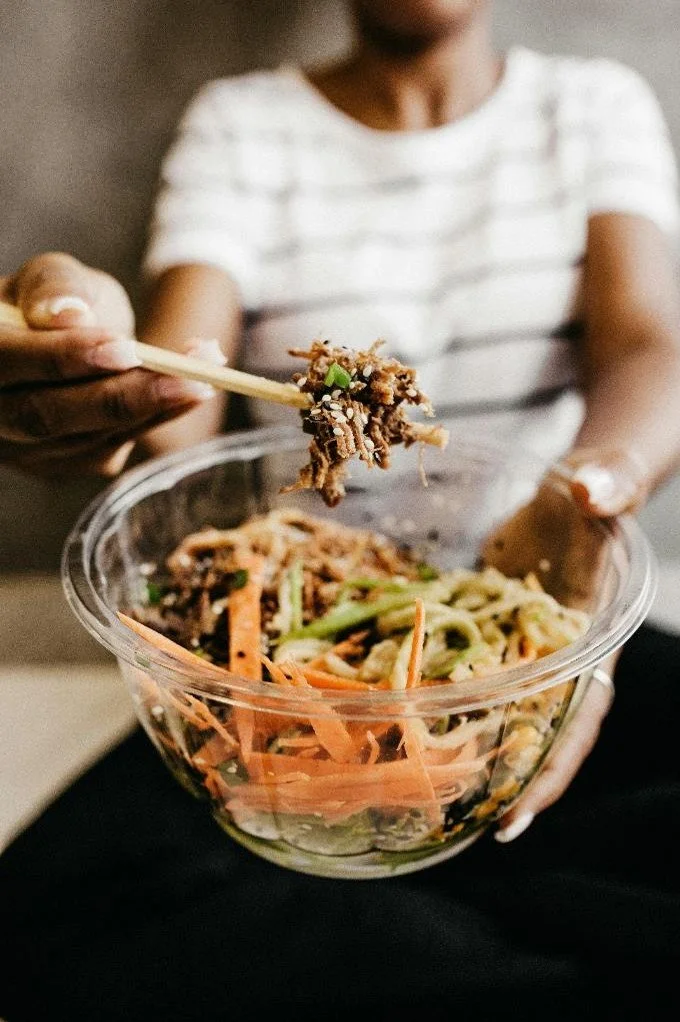
At the more functional end, the offer is becoming smarter, quicker and more convenient. Some operators are leaning on local high streets, ghost kitchens, app-based ordering, smart vending and more efficient service models. Yet even here, the bar is rising. Demand for local ingredients, healthier menus, sustainable choices and dietary flexibility is appearing across the sector.
The rise of “budget lux” is a good example of the middle ground becoming more interesting. Mollie’s Motel & Diner, designed by Soho House, is aiming to bring a curated lifestyle feel into the budget hotel space, with 100 new sites planned over the next ten years. At the other end of the scale, hotels such as the Sheraton Frankfurt Airport Hotel are rethinking the lobby as an open-plan bar and eatery, giving business guests a lively place to work, eat and arrive into.
Workplace food has perhaps had the hardest identity crisis. Since March 2020, the office has had to earn its place in people’s routines again. Food cannot, by itself, outweigh the benefits of working from home. A great staff restaurant will not magically make everyone commute five days a week. However, it can influence which office people choose, how they use the day when they are there, and whether the workplace feels like somewhere worth gathering.
Food remains social glue. It supports deliberate meetings and accidental conversations. It gives people a reason to stop, share and stay. Harvard Business Review research cited in the book found that 85% of employees would be motivated to go into the office to rebuild team bonds, and 74% would go in more if they knew their “work friends” were there. Food has a role in making that happen.
It also has a role in talent. A 2023 Fooda source cited in the book states that 93% of professionals believe food at work impacts employee morale, while 33% of staff said subsidised food would make the office more attractive, especially among those who prefer to work from home. Meanwhile, 74% of executives say modern workplace facilities, including staff restaurants, retreat rooms and co-working spaces, are important in the battle for talent.
The smart response is not always bigger. It is more flexible. Pop-up vendors, modular kiosks, food markets open to the public, app-based solutions and social dining moments all help workplace F&B flex around hybrid patterns. Santander’s Unity Place, with its Urban Food Market open to both the office population and the public, shows how workplace food can become part of the wider local offer.
Travel hubs are also moving beyond function. Airports and stations still need speed, reliability and convenience. Guests are time-conscious, and digital menus, online ordering and frictionless payment are becoming essential. Yet the old assumption that travel F&B simply needs to be fast and familiar is fading. Travellers increasingly want better quality, healthier options, more local relevance and, in some cases, a proper experience.
IATA reports that passenger numbers could double to 8.2 billion by 2037, and around 50% of passengers eat and drink at airports. That is a huge opportunity. At the premium end, airlines and airports are investing heavily in lounges and amenities. Qantas is investing $100 million in lounge upgrades, the Centurion Lounge in San Francisco now has an open kitchen, and Cathay Pacific’s The Pier in Hong Kong has expanded to five dining options.
Rail stations are changing too. Food halls are appearing in places once designed mainly for people to pass through as quickly as possible. Toronto’s Union Station launched a food hall in 2023, Eataly is coming to Dresden’s central station, and Zurich Airport has announced plans for a 2,500 m² food hall expected to open in 2027.
Food halls themselves remain one of the most dynamic parts of the market. They have become mainstream in some places, are still emerging in others, and continue to evolve wherever they appear. The format works because it offers flexibility, variety, local connection, shared seating, entertainment, lower barriers for operators and reasons to visit beyond one meal.
In the US, Politan Row found that food halls have had an 87% success rate since 2019, compared with 70% for traditional restaurants. That does not mean every food hall works, or that the model can carry weak concepts, overambitious rents or poor curation. Quite the opposite. Authenticity and community connection matter more as the market matures.
KERB’s Seven Dials Market is a strong example of staying true to the mission. In early 2024, four original and high-grossing traders were due to leave the market to make room for fresh food, costing KERB £465,000 in monthly revenue. That is a serious sacrifice, but one made to keep the offer fresh, authentic and aligned with the purpose of celebrating and accelerating local vendors.
SPARK in York offers another version of the model. A shipping container food hall and Community Interest Company, it reinvests profits back into the scheme and the community, delivering £12.78 in social value for every £1 invested. That is food hall as regeneration, not just food hall as leasing strategy.
Shopping malls are undergoing their own rebrand. The word “shopping” is starting to feel too narrow. These spaces are becoming places for entertainment, services, community, leisure, work, wellness, food and events. Leasing is becoming curation. Landlords are becoming hosts. Customers are becoming fans. Food is central to that shift.
Research cited in the book shows that 70% of consumers want retail spaces and malls to reflect the people who live in the area, 51% would prefer local brands to well-known mainstream ones, and 59% expect more than half of retail space to be devoted to experience rather than product by 2025. Food gives malls an accessible way to create those experiences, especially for younger audiences.
The next phase is more local, more premium, more digital and more circular. At one end, AI-powered smart kitchens are helping supermarket and mall operators predict demand, prepare meals more efficiently and reduce waste. Finland’s S Group has used smart kitchen technology to reduce food waste by up to 50%. At the other end, a mall can generate record footfall by bringing in a cultural phenomenon. American Dream in New Jersey partnered with MrBeast for the first physical location of his burger brand, with the mall seeing record foot traffic, up 325%, the weekend he appeared.
Then there is the wonderfully hard-to-categorise side of foodservice. Robot waiters controlled remotely by people with mobility-limiting conditions at Café Dawn in Tokyo. Aldi selling £2.33 glasses of champagne at a Christmas pop-up bar in London. Levy UK + Ireland introducing Tap + Go frictionless self-serve markets at Leicester City’s King Power Stadium. Dialogue Café in London Waterloo encouraging guests to order in British Sign Language to support inclusion and connection between hearing and hearing-impaired communities. Some of these ideas will travel. Some will stay niche. Some may inspire something completely different in another sector. That is why we collect them.
The 2024 Trends Book is not about predicting one single future for foodservice. There is no single future. Hotels, offices, airports, stations, food halls, malls, stadiums and high streets are all moving at different speeds, with different pressures and different opportunities. What connects them is the need to create foodservice that is more useful, more memorable, more flexible and more rooted in place. The dragon year is associated with change, opportunity and good fortune. We will happily take all three. But good fortune rarely does the work alone. The operators, developers, caterers, landlords and brands that make the most of 2024 will be those that understand the pressure, spot the openings and create experiences people actually want to leave home for.
As always, we hope you enjoy the read.