

Annual Foodservice Trends 2023
Sustainability has been part of the foodservice conversation for a long time, but what does it actually mean in the context of our industry?
That is the question we wanted to explore in this year’s Trends Book. Not simply because sustainability is important from an environmental perspective, but because it is now shaping the way foodservice businesses operate, invest, recruit, source, design menus and plan for the future.
We originally intended to produce this book before the pandemic, but like everyone else, we had to re-evaluate. At the time, more immediate challenges understandably took priority. However, the subject never became less relevant. If anything, the last few years have made it more urgent.
The foodservice market is recovering, but the picture is far from simple. Deloitte’s Foodservice Market Monitor 2022 forecast global foodservice market growth of 5.5% CAGR from 2021 to 2026, reaching €2.9 trillion. Other data sources referenced in the book suggest the industry could be worth just over €4 trillion by 2028. On the surface, that sounds encouraging. However, rising ingredient costs, labour costs and energy costs mean that market value alone does not tell the full story. In Europe, 80% of consumers said they had noticed price increases in restaurants, while 50% said those increases would affect their eating-out habits. A further 30% expected to eat out less and cook more.
In other words, recovery is happening in a market where operators are under pressure and customers are watching value closely.
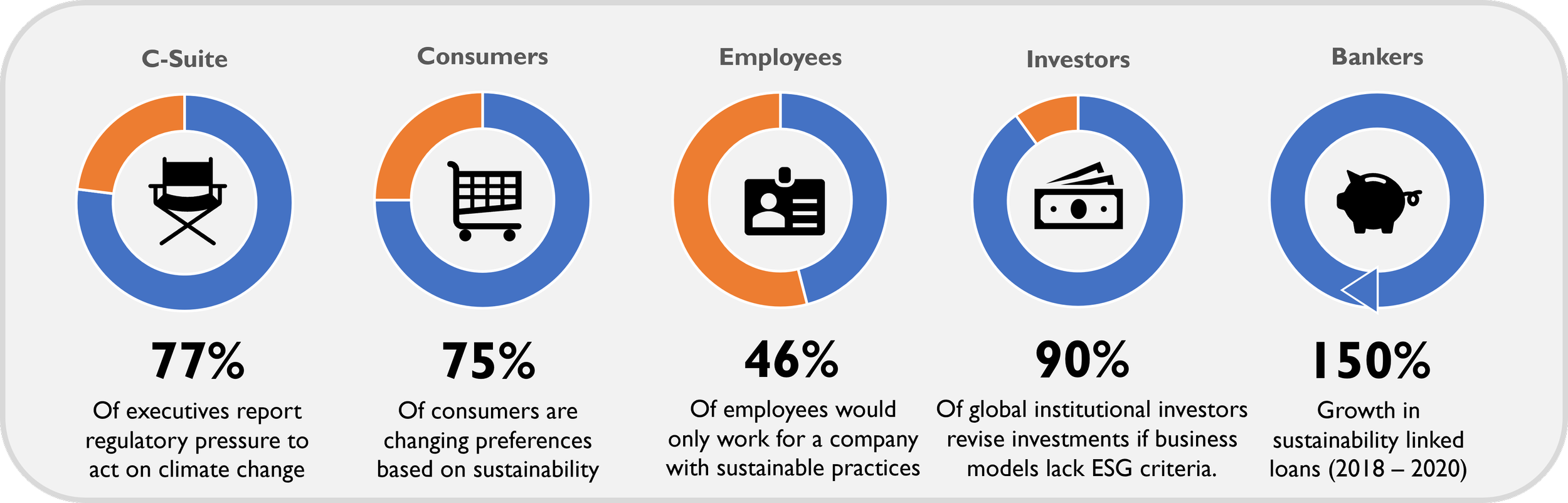
At the same time, sustainability has moved from being a positive brand message to a business imperative. It is being driven by consumers, employees, governments, investors, banks and operators themselves. The book highlights that 83% of UK consumers expect hospitality brands to take part in sustainable practices, 85% of Millennials and Gen Z consumers are willing to pay more for sustainable products and services, and 46% of Gen Z want a job with purpose linked to planet or community.
That matters because sustainability is not a separate issue from the commercial pressures facing hospitality. Energy efficiency, waste reduction, better sourcing, staff retention, community engagement and risk reduction all sit within the same conversation. In a period where energy costs have been putting restaurants out of business, the case for more efficient equipment is not abstract. As Ed Bircham from Humble Arnold Associates explains in the book, the return on investment for more efficient foodservice equipment can often be recovered within three years, and sometimes within 18 months.
The scale of the challenge is also impossible to ignore. Food production and foodservice together account for around 30% of the world’s total energy consumption and around 22% of total greenhouse gas emissions. Globally, 30% of all food produced is wasted, which is equal to 10% of man-made greenhouse gas emissions. In the UK, yearly food waste equals 1.3 billion meals, or one in six of the 8 billion meals served.
Those numbers are stark, but they also point to the opportunity. If foodservice has this much impact, then it also has significant power to change things for the better.
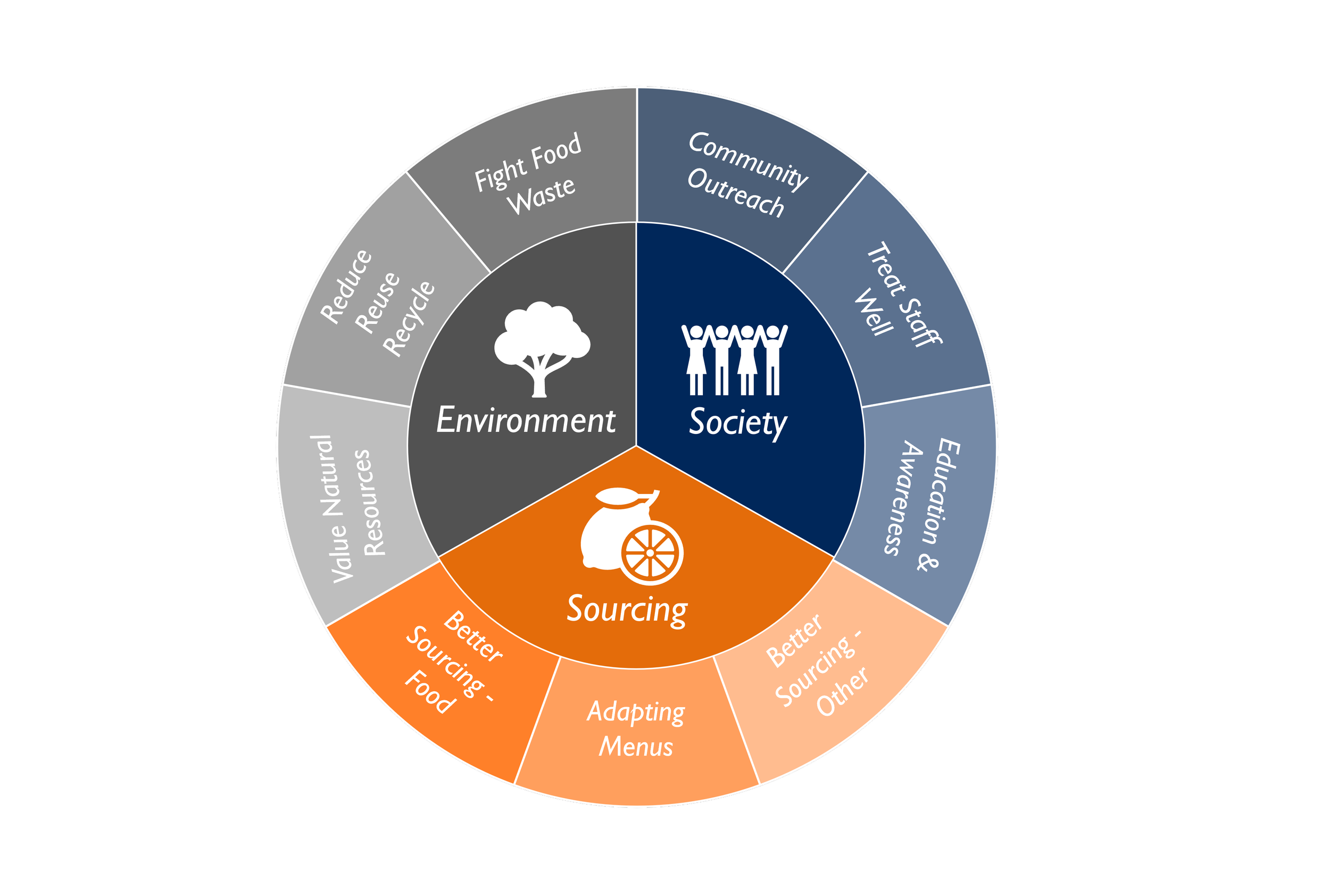
That is why this year’s book looks at sustainability as a broad, connected subject. It is about sourcing, but not only sourcing. It is about the environment, but not only the environment. It is about society, staff, communities, resource use, design, education, behaviour change and commercial resilience.
Across the book, we have included examples from businesses and organisations already putting this into practice.
At Ingka Centres, the new Saluhall concept is built around Scandinavian food principles such as sustainability, localness, purity and seasonality. The menu will be 80% plant-based at launch, with the ambition to move to 100%, alongside zero waste to landfill and zero single-use plastic usage. Importantly, the concept is not just positioned as somewhere to eat, but as a community hub and meeting place.
At Westfield Stratford City, the WasteMaster system diverts 150 tonnes of food waste away from sewers, reduces food waste volumes by 70%, creates green energy and reduces vehicle collections. Compass Group, serving over 5.5 billion meals a year, has committed to becoming carbon neutral in its own operations by 2030 and across its wider value chain by 2050, with actions including renewable electricity, electric fleet vehicles, lower-carbon menus, more plant-based proteins, regenerative agriculture and a 50% reduction in food waste across global operations by 2030.
There are also examples which show how small changes in sourcing can have a meaningful impact. Pizza Pilgrims use 4.5 tonnes of basil each year and now source it from a London grower rather than flying it in from Spain, Israel and Italy. That one supply chain switch saves 240,000 air miles, provides fresher herbs at the same price and supports local jobs.
In menu development, the book looks at plant-based proteins, carbon labelling, local seafood, lab-grown meat and healthier choices in workplace dining. Wahaca’s carbon labelling is one example, with menu items marked as low, medium or high carbon. Google’s approach to workplace food is another, using design and behaviour cues such as smaller plates, placing fruit more prominently and moving snacks further away from coffee stations to help encourage healthier eating.
The subject goes beyond food itself. At Silo in London, the zero-waste approach extends into the restaurant design, with materials including reconstituted food packaging, recycled leather, recycled plastic bags, crushed wine bottles, natural cork and furniture grown from mycelium. In packaging, Notpla’s seaweed-based solutions, including biodegradable sauce sachets and takeaway packaging, show how innovation is developing in areas where packaging cannot be avoided entirely.

The social side of sustainability is just as important. Mercato Metropolitano’s community programmes include seasonal camps supporting vulnerable children around Elephant and Castle. In summer 2022, its camp had 207 attendees, with over 416 meals and 482 snacks donated, alongside 40 different activities. Dishoom’s meal-for-a-meal initiative, in partnership with Magic Breakfast and Akshaya Patra, had funded more than 10 million meals for children by March 2021. Everytable in Los Angeles adjusts meal prices according to neighbourhood, making fresh, nutritious food more accessible in underserved communities.
The book also highlights initiatives focused on employment, access and dignity. La Cocina in San Francisco supports working-class women, immigrants and people of colour through affordable kitchen space, technical assistance, business support, employment and food donations. BLOOM Coffee Academy trains homeless and disadvantaged people to become baristas, with a professional SCA qualification, and supports them into employment paid at no less than the London Living Wage.
These examples are deliberately varied because sustainability in foodservice is varied. It can be a waste system in a shopping centre, a plant-based food hall, a community camp, a lower-carbon menu, a reusable packaging trial, a more efficient kitchen, a local sourcing decision or a training programme that helps someone into work.
None of these ideas alone solves the challenge. That is not the point.
The point is that sustainability is becoming more practical, more measurable and more connected to the way foodservice businesses make decisions. It is no longer just about doing good, although that matters. It is also about doing better business.
As always, this Trends Book is not intended as a definitive list of the most sustainable companies in foodservice. It is a collection of ideas, examples and conversations from across the sector. Some are new. Some have been around for a while. All of them show that foodservice has the ability to create better systems, reduce harm and deliver experiences that still excite people.
We hope the book provides useful inspiration for clients, colleagues and anyone interested in how foodservice can respond to the challenges ahead. Most importantly, we hope it encourages more sharing of ideas, because when it comes to sustainability, collaboration may be one of the most important tools we have.