Tech Talks Part 2: Don’t Lose the Plot
Our second reflection from Hospitality Tech360 comes back to clarity: are we adding value, or just adding layers? Greg Bramwell’s point about the “zigzag” stayed with us: pressure can lead to survival mode, survival mode can lead to loss of identity, and loss of identity can lead to loss of customer. Jump in…
“One week on from Hospitality Tech360, and refreshed from a brief Easter break, you might expect the main takeaway from the event to be about the latest tech capability. Agentic AI. Smarter systems. Better automation. The next tool promising to save time, cost and complexity.
And there was plenty of that, of course. Hospitality should be embracing good technology, both front and back of house. It needs new tools that solve real problems, but not more admin dressed up as innovation.
With each session and each conversation, the more the common thread running through the event did not seem to be tech capability so much as clarity. Are we adding value or just adding layers? What business are we in? And, most importantly, who (as a sector, as a brand, etc) are we?
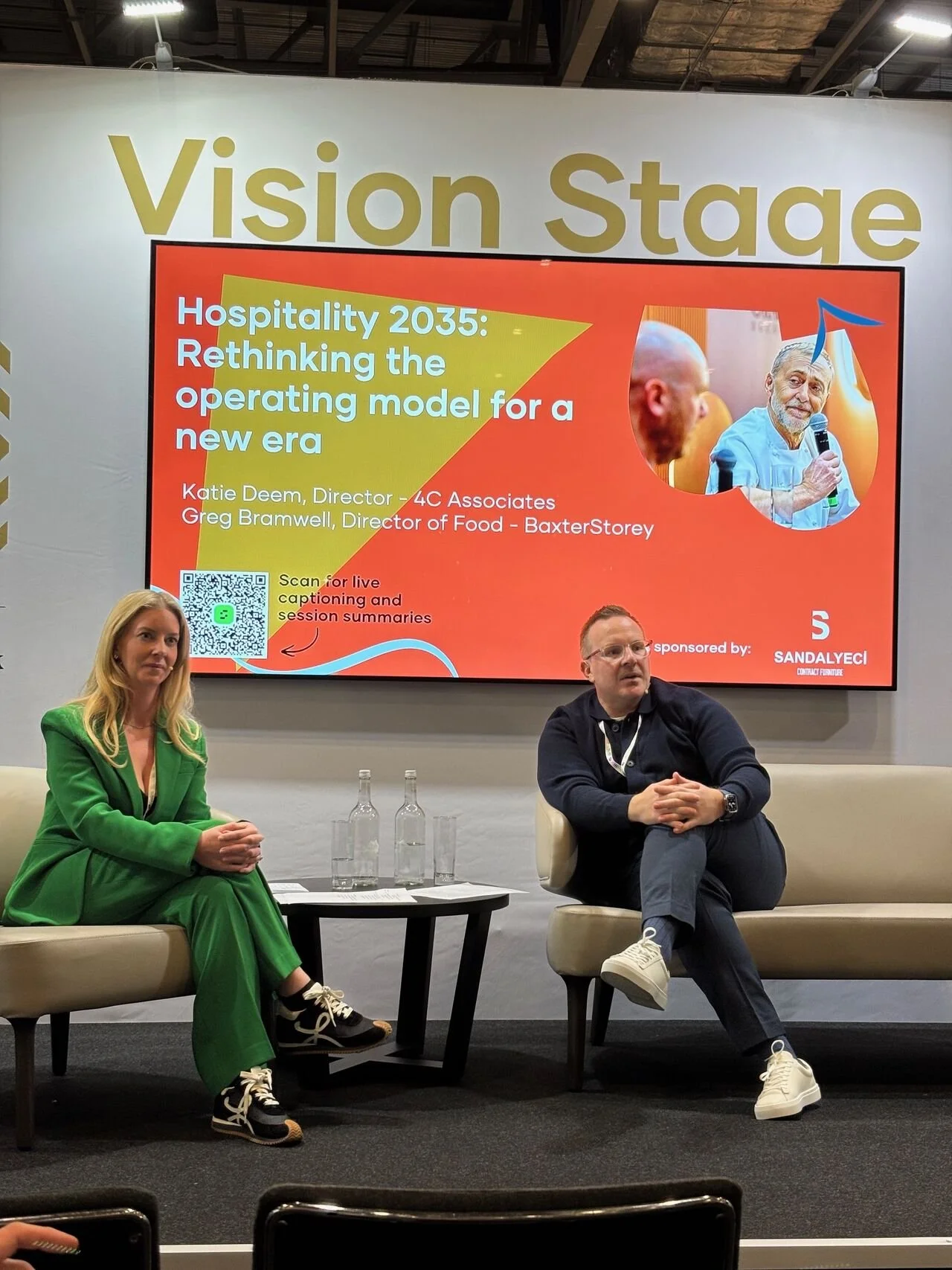
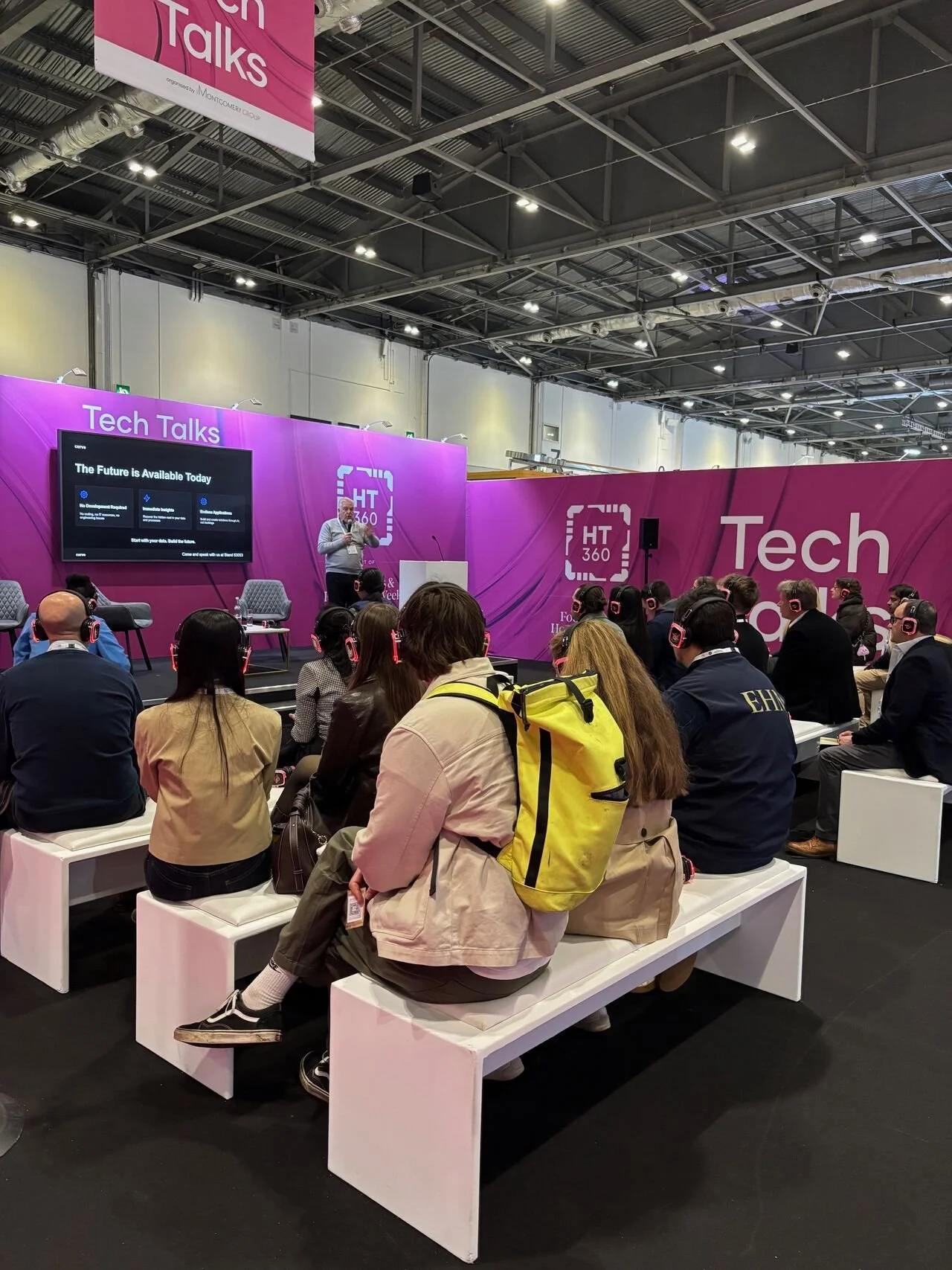
During the session Hospitality 2035: Rethinking the operating model for a new era, the thoughtful Greg Bramwell captured it really well when he described the “zigzag”: challenges can lead to survival mode, survival mode can lead to loss of identity, and loss of identity can lead to loss of customer. When margins tighten, it becomes very easy to cut this, add that, chase the next big trend, respond to every pressure point, and slowly, but surely, dilute what made an offer distinctive in the first place.
This is not meant to sound like a rejection of technology. Quite the opposite. I am a huge champion of technology and believe that it can sharpen operations, give teams time back and remove avoidable friction. But I would also argue that the zigzag applies to technology too, particularly when non-tech businesses start chasing too much, too quickly. Different context, same outcome: identity starts to blur, and the customer eventually feels it. And the best systems in the world will not rescue an offer that no longer knows what it is trying to be.
That is why some of the most useful remarks of the week were also the most basic. Look up from the laptop. Listen to the floor. Watch the customer. Talk to the chefs. Ask what genuinely improves the guest experience and what merely adds process.
For all the pace of change, hospitality is still a human, sensory business, however sophisticated the tools around it become. In that context, I'd say losing the plot is usually more expensive than losing out on the latest tool. Thoughts?”