

Dinner, drinks, & maybe even a duvet?
Over the past year or so, we’ve increasingly spotted restaurants and food-led hospitality brands adding rooms to their proposition. Restaurants with rooms are nothing new, but a new generation of food-led brands are “revitalising” a tradition. From a two-bedroom Dishoom hideaway to a wine-led Wiltshire townhouse, food-first brands are quietly giving us a new reason to stay the night.
Something interesting is happening at the intersection of dinner and bedtime. Over the past year or so, we’ve increasingly spotted restaurants and food-led hospitality brands adding rooms to their proposition. Not hotel restaurants, with a minibar and a promise of ‘locally sourced’ eggs. The reverse: places with food, drink and a point of view so strong that they are now inviting you to sleep inside their world.
In London, Dishoom has taken its first tentative step upstairs. Above its Permit Room on Portobello Road sits Permit Room Lodgings: a two-bedroom apartment available for overnight stays, complete with the group’s particular version of Bombay nostalgia. It is small-scale and knowingly theatrical, which is precisely the point. The stay does not just sit above the restaurant; it extends its atmosphere beyond last orders.
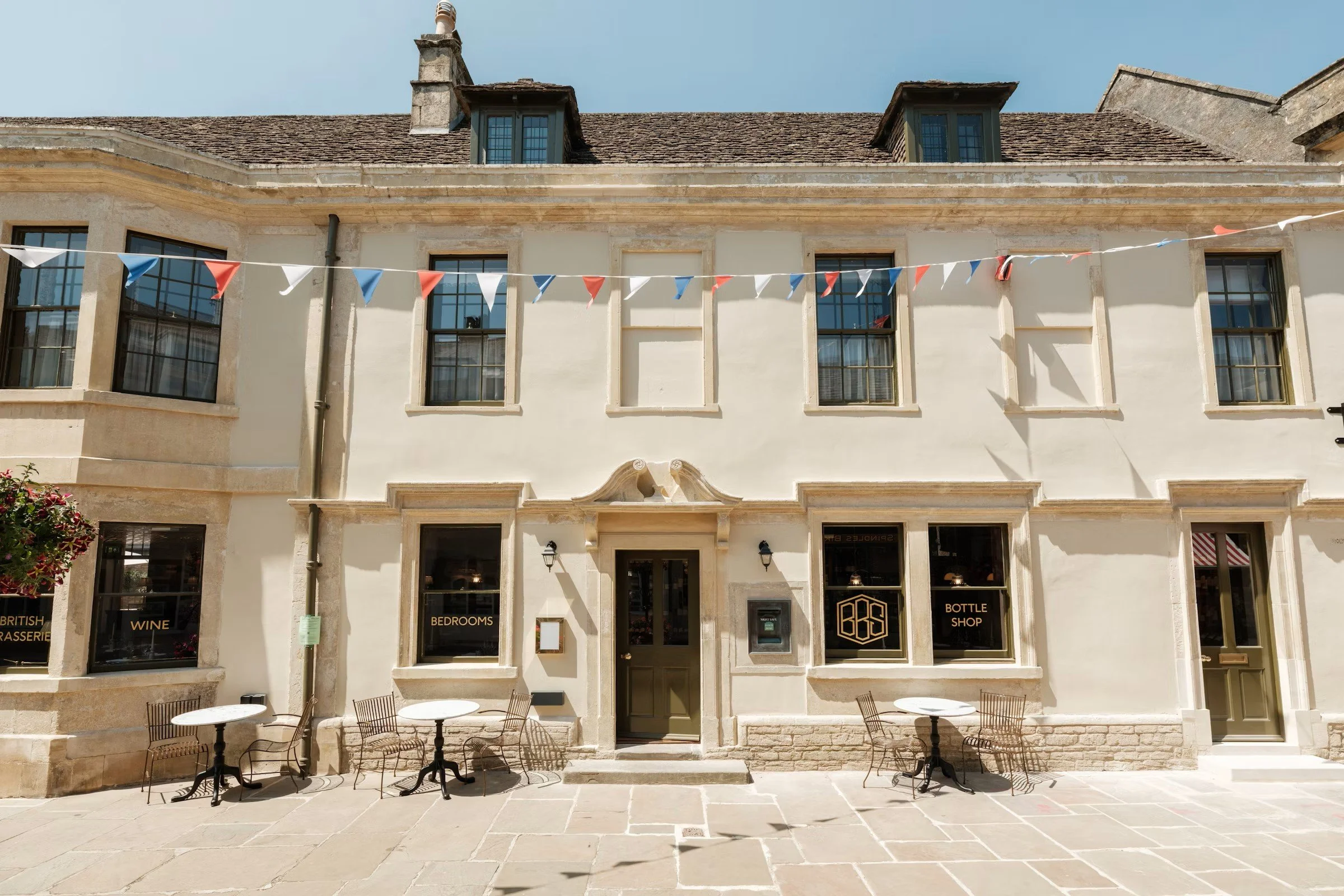
Corsham House, Wiltshire
In Wiltshire, the Beckford Group opened Corsham House this summer: a brasserie, bottle shop and 11-bedroom townhouse in a former bank between Bath and the Cotswolds. Beckford is no stranger to pubs and inns, so this is not a restaurant group abruptly discovering duvets. But it is a smart contemporary version of the old formula: come for a bottle, linger over dinner, then remove the logistical cruelty of having to leave.
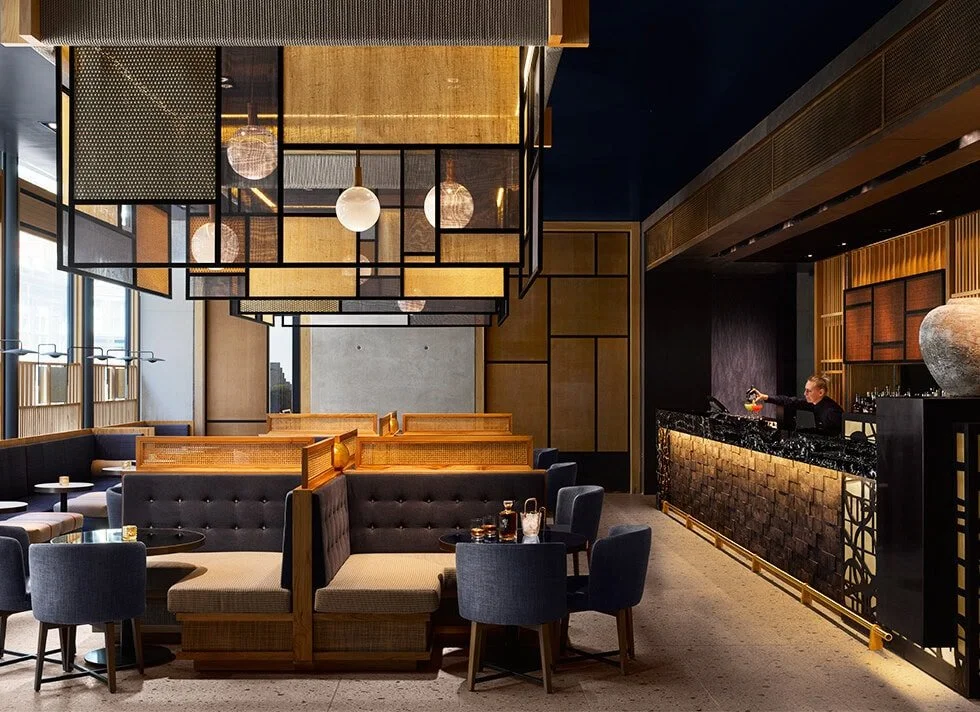
Nobu Hotel, London
Perhaps our favourite, modern day pioneer in this arena, who saw the potential early on, is Nobu. Its first hotel opened inside Caesars Palace in Las Vegas in 2013, turning a restaurant name into a fully-fledged overnight experience. Since then, Nobu has built a global hotel business with its latest property opening in Rome. It is the glossy, international version of the same thought: if people will cross a city for your restaurant, might they cross a border and book a room?
Strictly speaking, this is not new. The original hospitality model was exactly this: inns, pubs and restaurants selling food, drink and beds together. Before the boutique hotel had an Instagrammable lobby and a scent strategy, it had a coach yard, a roast and somewhere to sleep upstairs. Hospitality has always moved in both directions. Hotels use restaurants to give a stay more life and to draw in locals; restaurateurs use rooms to turn a meal into a destination. The difference is in the order of things. In the conventional hotel model, the room brings guests in and food adds value. In these newer, restaurant-led stays, the table is often the reason for the journey and the room is how the visit lasts longer.
Restaurant groups have made modern urban versions before: D&D London, now The Evolv Collection, opened South Place Hotel in 2012, an 80-room City property built around serious restaurants and bars. Beer heroes Brewdog brought us Manchester's first beer hotel as well as another site in the US. What is new, or rather what has changed, is the way contemporary brands use their cultural capital. A successful restaurant brand now arrives with much more than a menu. It has a design language, a soundtrack, a particular welcome, a wine list, a crowd and a very clear idea of how guests should feel. Rooms become another way to inhabit that universe. Less “pub with rooms”, then, and more “stay inside the brand world”.
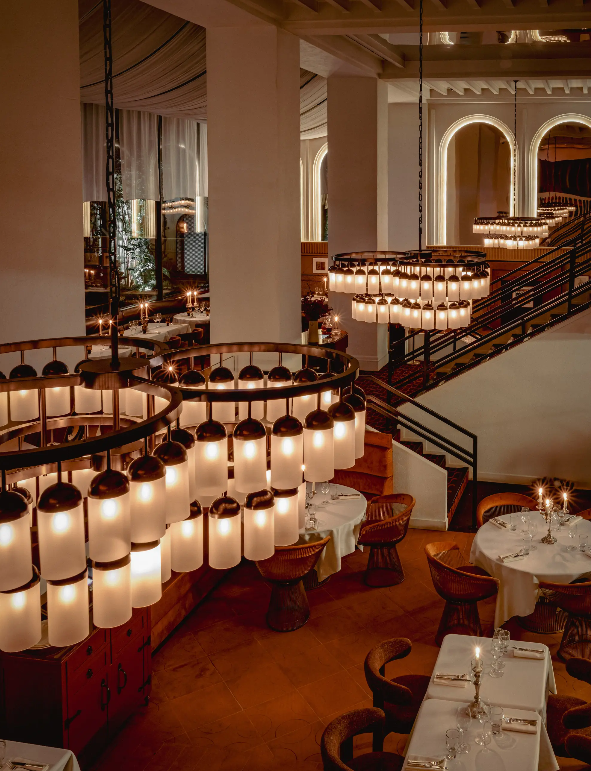
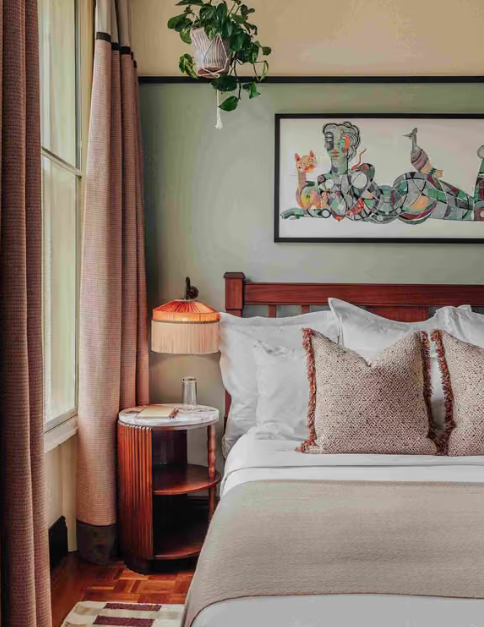
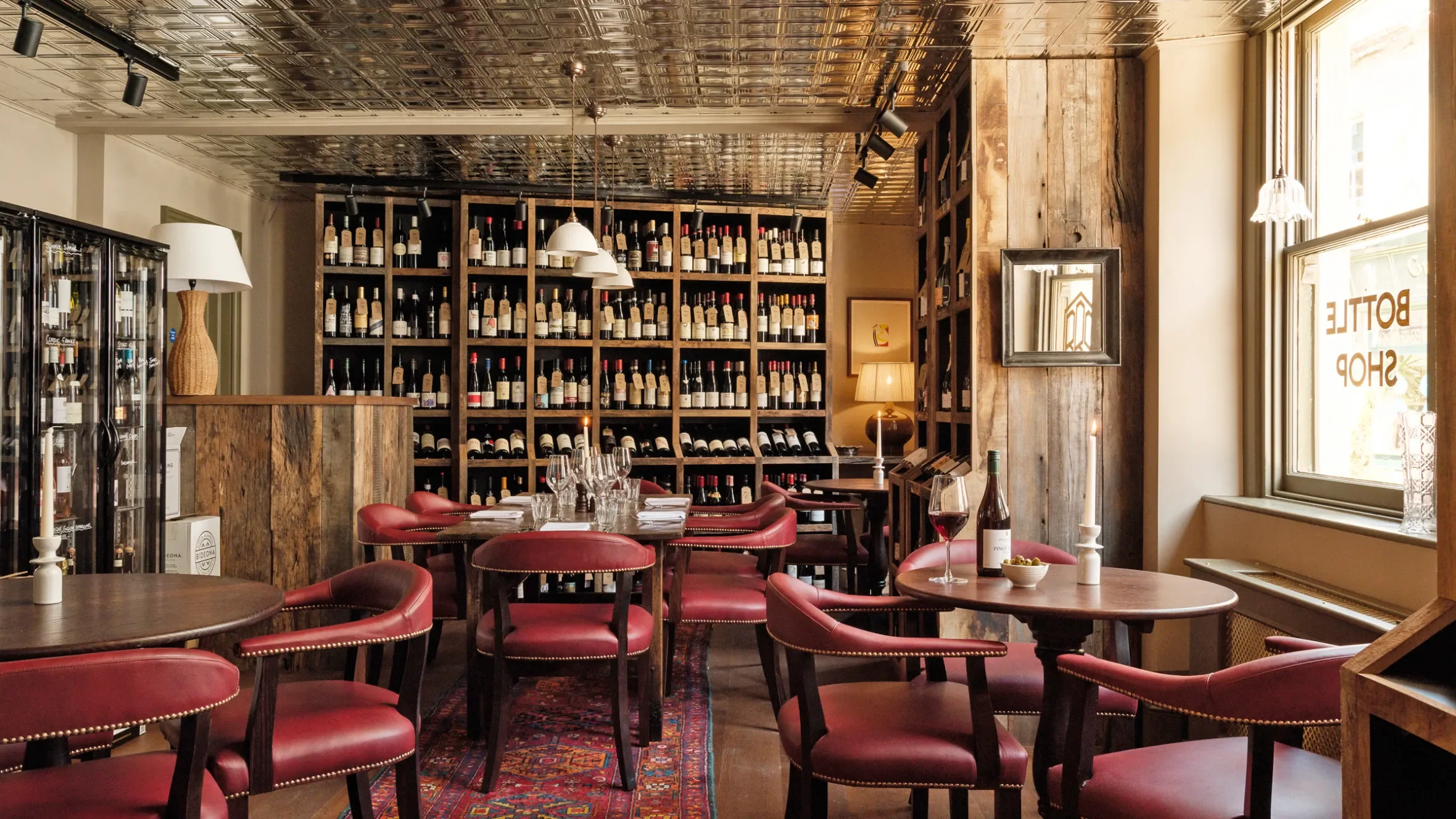
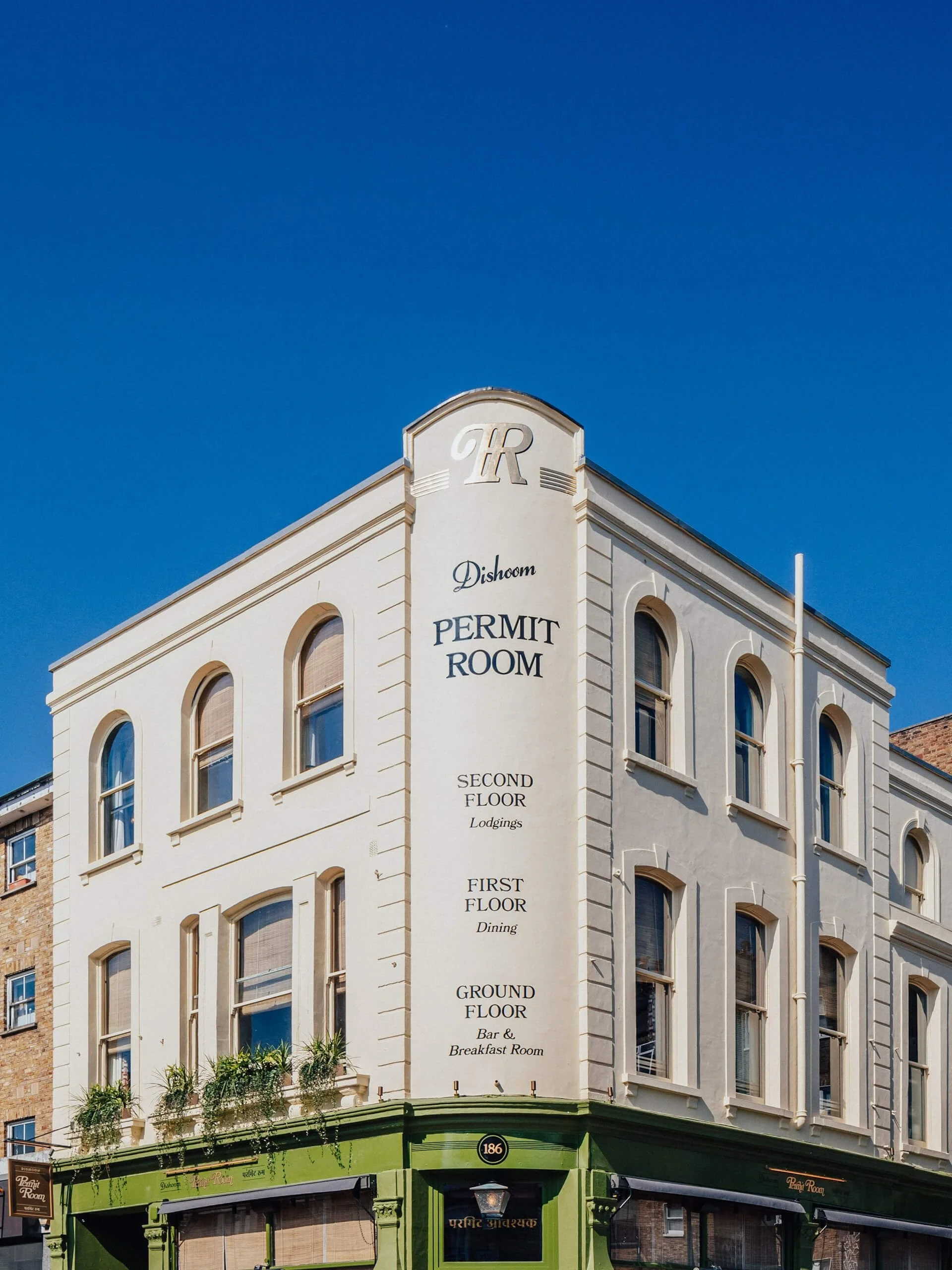
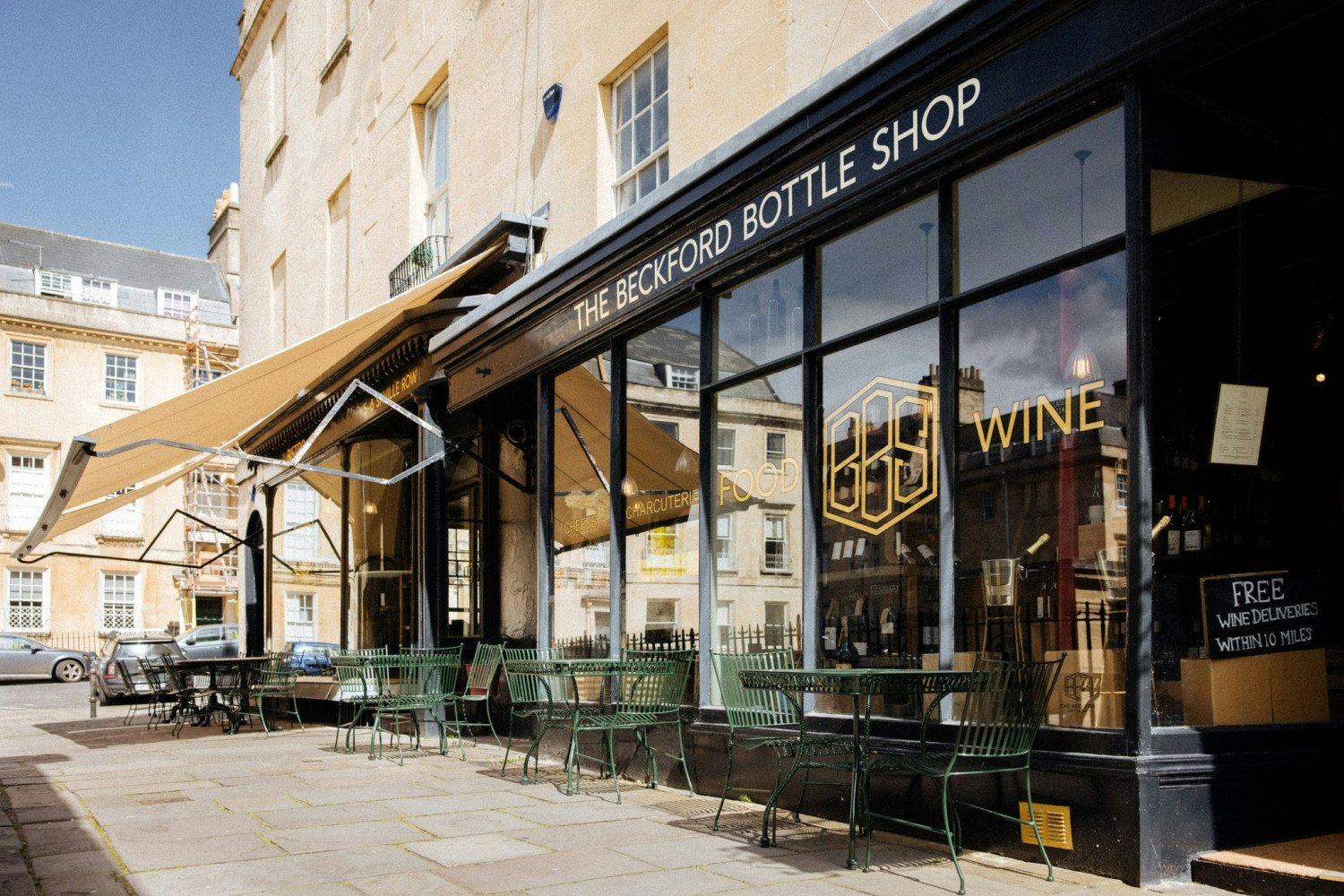
The interesting bit is not the bed itself, but the reason to book it. A proper destination restaurant can make a street, village or formerly overlooked corner of a city feel worth the journey. We’ve all been there, standing in a dark alley, questioning our choices and then - WOW! Add a few rooms and the operator can keep the evening going: breakfast the next morning, another bottle, a slower start, perhaps a whole weekend built around the table. For some guests, that changes the order of things. Instead of finding somewhere to sleep near a dinner reservation, the room becomes part of the plan.
That reversal is already visible in how people book. In OpenTable’s latest US research, 60% of respondents said they had booked a hotel specifically because of its restaurant. I haven’t found an equivalent EU stat yet, but could this be an early signal?
The boutique logic is not smallness for its own sake. It is about keeping the point of view intact. A restaurant’s character can be carried by the room, the service and a few hours of your time; a small hotel, townhouse or apartment lets guests step into that world without diluting it into the standard operating language of a large hotel. Boutique hotels are small, specific and difficult to replicate, which helps create authenticity and a genuine point of difference.
Experimental, which began as a Paris cocktail bar in 2007 before moving through restaurants and wine bars into hotels, has made a business out of this kind of full-spectrum hospitality. Its 113-room Experimental Chalet in Val d’Isère now brings together bedrooms, restaurants, a cocktail bar and a spa under one particularly gorgeous roof.
There is a market signal here from the US as well. In 2025, lifestyle boutique room supply grew 6%, while independent boutique supply fell 10.1% (CoStar, June 2026), as more properties joined branded or soft-brand systems. What this shows is that distinctiveness has economic value, even if scale increasingly arrives through brands rather than pure independence.
For landlords and developers, that is a quietly attractive proposition. A food-led operator can bring footfall, a ready-made audience and something increasingly rare in new hospitality: a reason for locals to care. For hotel operators, it is a reminder that a restaurant cannot be an afterthought if it is meant to give a property real life beyond its residents. And for restaurateurs, rooms offer a seductive new line of business – though one requiring very different skills in housekeeping, distribution, pricing and 24-hour service.
The new opportunity is not for every restaurant to become a hotel. It is for the right restaurant to make its world inhabitable.
And the market signal is of course not that hotels and restaurants are becoming one industry. It is that the restaurant is increasingly the demand generator, and the room is becoming the way to keep that demand in the building.