Beyond Rent: A Clause With Impact
When was the last time you negotiated a lease? Even a standard one can be painful, so it takes a strong proposition for landlords and operators alike to sign a lease that asks for more than rent. Getting a community contribution written into the deal before trading starts, then having it survive the negotiations, the lawyers, the operator risk, the landlord economics and the funding model is a big deal.
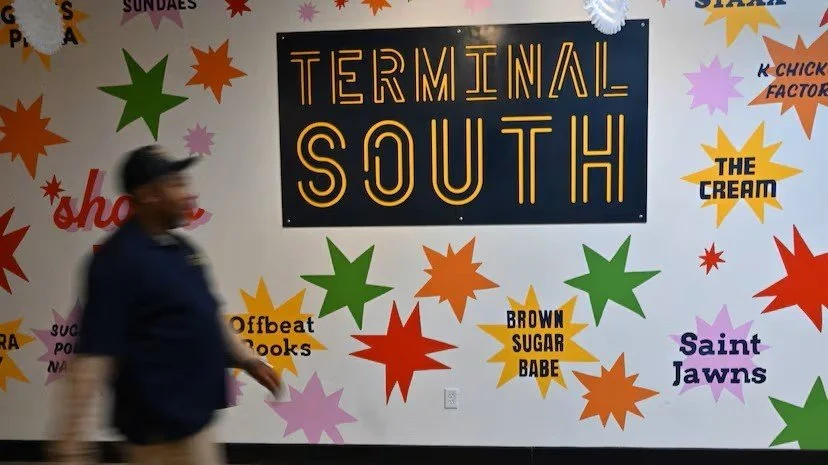
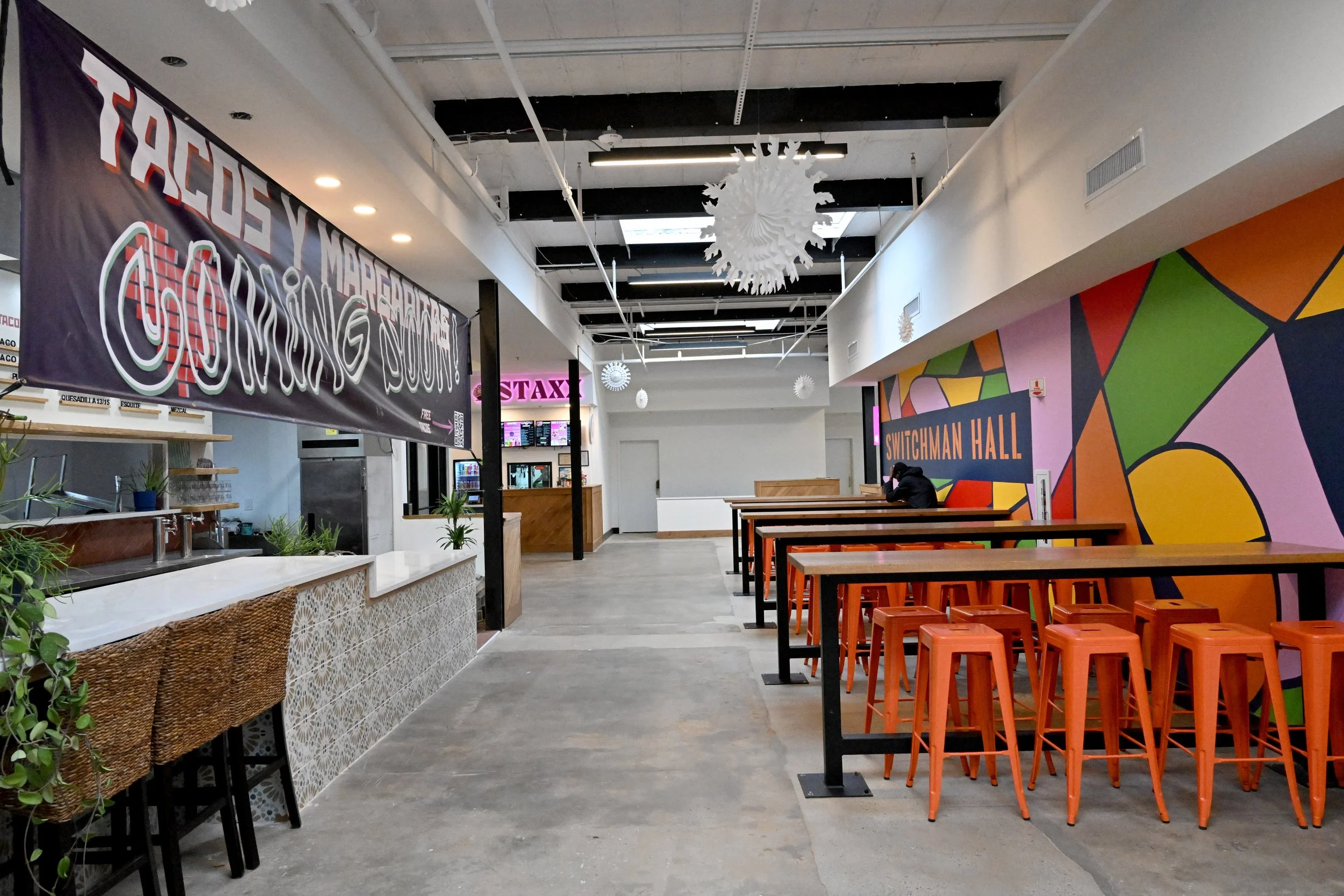
I’ve just discovered Switchman Hall, a recently opened food hall inside two former warehouses at Terminal South in Peoplestown, Atlanta, which has achieved just that. Planned for 18 stalls, with 13 of the 18 now leased, the venue is designed to support emerging food operators, but it goes further. Each tenant contributes to a needs-based scholarship fund for local Peoplestown students, with Stafford Properties matching those contributions through local nonprofit Dreambuilders.
The fact that a community contribution made it into the lease says a lot about the strength of the food hall model, and the confidence developers and operators have in it. At their best, food halls act as risk-sharing infrastructure: shared footfall, shared services, lower barriers to entry and a platform that gives emerging operators more than four walls. These are not easy clauses to carry through the commercial process and only work when the proposition is strong enough for tenants, landlord and developer to see the value, not just the extra obligation.

We’ve been talking about the rise of “better business” for years and continue to celebrate innovative examples of foodservice businesses trying to bring purpose and profit closer together. Back in 2018, when we were still part of JLL UK, we described this as the point where commercial success and positive impact start to work in the same direction. From a design perspective, it’s been coined “community equity architecture” which I think is a great way of putting it.
Since then, we have continued to track how community, sustainability, customer participation and regenerative models are moving from nice-to-have ideas into the commercial mechanics of foodservice and that includes the harder edge of “better business”: there are many powerful ideas, but mission alone does not make a model viable. The amazing Dialogue Cafe UK has shown how difficult it can be to balance inclusive employment, high-touch service and commercial hospitality economics, while La Cocina’s Municipal Marketplace in San Francisco, a women-led food hall supporting mainly low-income immigrant and women-of-colour entrepreneurs, closed its doors after safety challenges, pandemic-altered trading patterns and high operating costs made the model unsustainable.
Closer to home, there are food hall and market operators already building community value into the model.
KERB uses revenue from Seven Dials Market to support KERB+, its non-profit arm, which helps people facing barriers into hospitality and small food businesses.
SPARK:York CIC is a community interest company (CIC), using the Food Hall to support local independents.
Blend Family runs the Blend Culinary Foundation, a CIC focused on food poverty, education and community through food.
Mercato Metropolitano uses its markets to connect sustainable food, community space and social value.
The UK and Europe are not short of responsible business thinking. From B Lab Europe adoption to the expectation that regeneration projects should deliver social value, and I will admit that we often assume we are ahead of the US in terms of sustainability. But, we are also (more) cautious when it’s time for ideas to move into legal and commercial commitments. Getting an additional obligation into a lease is a serious hurdle. Getting one into a lease for emerging food operators, where every pound and every risk matters, is harder still.
Food halls were born from street food, local cuisine and the energy of independent operators. At their best, they have always been about more than filling space: they bring life to places, create routes into hospitality and give communities something to gather around. As the format becomes more established, the pressure for returns can pull the model away from the street-food and community roots that made it compelling in the first place. By making a matched community contribution part of the tenant lease, Switchman Hall puts a defined community return into the commercial structure, with landlord commitment behind it.
The site has only just opened and is still ramping up, but, if it works, this becomes a real estate lesson as much as a foodservice one (and proof-of-concept for something many have been waiting for). Definitely one to watch!